Why Your Carpet Still Smells After Cleaning and How to Fix It
Discover why your carpet smells wet, musty, or like pet urine after cleaning. Learn practical Australian DIY fixes, drying tips, and professional solutions.
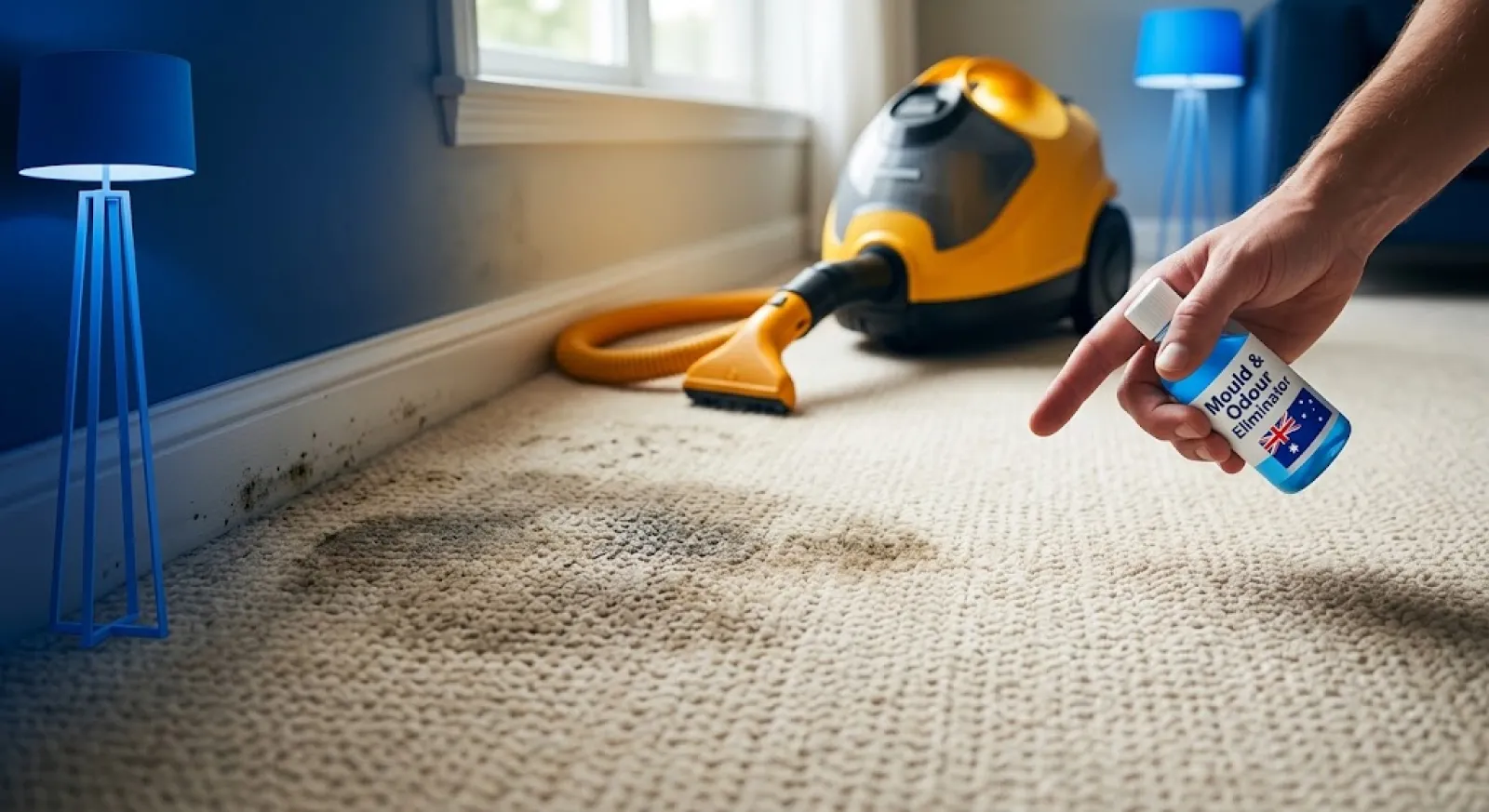
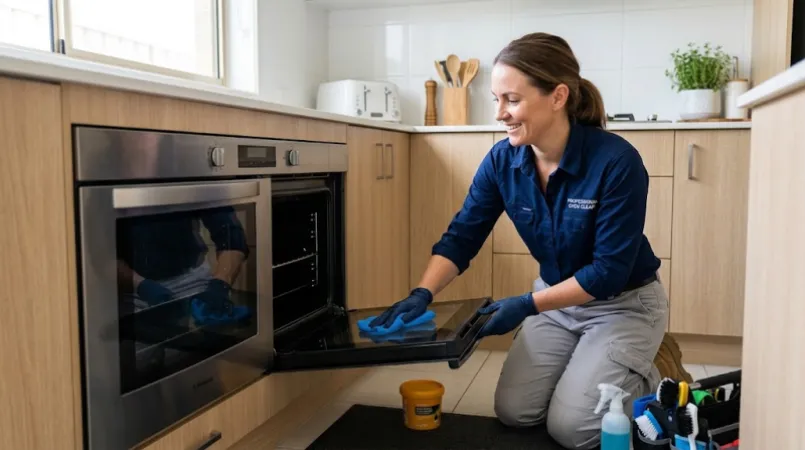
There is nothing quite as frustrating as investing time and money into professional carpet cleaning or spending a weekend lugging a hire machine around your home, only to be met with an unpleasant smell once the carpet dries. Instead of a fresh, clean scent, your living room or bedrooms might smell like a wet dog, sour laundry, damp cardboard, or even a sudden burst of strong ammonia. Choosing a reliable carpet cleaner in Australia can help reduce the risk of these post-cleaning odour problems when the right cleaning and drying methods are used.
This post-cleaning odour is a surprisingly common issue across Australian households. Whether you are a homeowner trying to maintain your property, a family managing daily spills, or a tenant preparing for a strict end-of-lease inspection, a smelly carpet can feel like a major setback.
The good news is that a lingering or returning odour does not mean your carpet is permanently ruined. In most cases, the smell is caused by trapped sub-surface moisture, reactivated organic deposits, detergent residue, or the natural characteristics of carpet fibres under specific Australian climatic conditions.
This comprehensive practical guide explains the exact science behind post-cleaning carpet odours, relevant Australian Standards, state-by-state tenancy considerations, diagnostic tables, step-by-step DIY remedies, realistic professional treatment costs, and preventive steps to keep your carpets smelling fresh.
Understanding the Root Causes: Why Carpets Smell After Cleaning
To fix a foul carpet odour, you must first understand what is happening beneath the pile. When water and cleaning detergents hit a carpet, they do not just interact with the top fibres—they soak down into the primary backing, the latex bonding layer, the underlay (foam or rubber padding), and occasionally the subfloor itself.
Here are the six primary reasons your carpet smells after being cleaned:
1: Trapped Moisture and Slow Drying Times
The most frequent culprit behind a sour, damp, or musty smell is excessive water left behind during extraction. When a carpet stays wet for too long, dormant fungal spores and bacteria within the backing and underlay begin to multiply.
In Australia, the official industry benchmark for carpet care is AS/NZS 3733:2018 (Textile floor coverings — Cleaning maintenance of residential and commercial carpeting). This standard emphasizes that carpets should dry rapidly—ideally within 4 to 12 hours, and never exceed 24 hours without active structural drying. If moisture remains trapped in the dense underlay past 24 to 48 hours, mould and mildew growth begins, releasing volatile organic compounds (VOCs) that produce a distinct sour or stale odour.
2: Reactivated Pet Urine Crystals
If your carpet smells intensely of urine or ammonia after cleaning—even if it didn't smell that bad before—you are experiencing uric acid crystal rehydration.
When a pet urinates on a carpet, the liquid passes through the carpet pile and saturates the underlay and subfloor. As the urine dries, it concentrates into microscopic uric acid salts and crystals. These crystals are non-water-soluble and remain completely odorless while dry.
However, when hot water steam cleaning or wet extraction is applied without a specialized enzymatic neutraliser, the moisture "wakes up" these dormant crystals. The heat and water dissolve the salt deposits, releasing trapped gases and creating a sudden, pungent smell that can fill an entire home.
3: Soil Wicking from Deep Contamination
Wicking occurs when deep-seated soil, old drink spills (such as coffee, milk, soft drinks, or beer), or organic matter trapped in the backing are dissolved by the cleaning solution. As the top fibres dry from the surface downward, capillary action draws the dissolved liquid and odorous compounds back up to the tips of the carpet fibres.
What appears to be a clean surface immediately after steam extraction can turn patchy, stained, and smelly 12 to 24 hours later as the sub-surface moisture evaporates.
4: High Alkaline Detergent Residues
Using low-quality supermarket shampoos, uncalibrated DIY hire machine chemicals, or excessive detergent during steam cleaning leaves a sticky, alkaline soap film on carpet fibres.
When detergent is not thoroughly rinsed with a balanced acidic extraction rinse, the chemical residue holds onto atmospheric moisture and traps ambient odours. It can off-gas a stale, soapy, or chemical odor and acts as a dirt magnet, causing the carpet to re-soil rapidly.
5: The Natural "Wet Wool" Phenomenon
If you have high-end wool carpet or a wool-blend twist carpet, you may notice a distinct earthy, pungent, or "wet dog" smell immediately after hot water extraction.
This is completely normal. Wool is an organic protein fibre containing natural lanolin. When damp, wool fibres temporarily off-gas a natural animal scent. As long as the room has adequate ventilation and the carpet dries within 12 hours, this odour will fade naturally without leaving any lasting damage or mould.
Cause 6: Subfloor Contamination
In severe cases, old liquid contamination has passed through both the carpet and underlay into the structural floor—whether that is a concrete slab or timber floorboards. Standard surface cleaning cleans the top 20% of the carpet assembly, leaving the remaining 80% of the underlying material damp and contaminated.
Australian Standards, Regulations, and Tenancy Rules
Understanding the legal, regulatory, and technical frameworks around carpet care in Australia helps protect both homeowners and renters when carpet cleaning goes wrong.
Australian Industry Standards (AS/NZS 3733:2018)
AS/NZS 3733:2018 sets the professional benchmark for carpet maintenance in Australia. It outlines clear protocols regarding:
-
Chemical Application: Avoiding excessive alkaline shampoos that leave residues.
-
Moisture Management: Utilizing sufficient vacuum lift (measured in water lift inches) during hot water extraction to extract at least 80–85% of applied water.
-
Drying Target: Ensuring carpets achieve dry-to-touch status within 4 to 12 hours to comply with indoor air quality and hygiene guidelines.
Rental Tenancies and Bond Returns
For tenants across Australia, carpet smells after an end-of-lease clean can create significant disputes with property managers and landlords.
-
New South Wales (NSW): Under the Residential Tenancies Act 2010 (NSW), landlords cannot require tenants to pay for professional carpet cleaning unless pets were kept on the premises, provided the tenant leaves the carpet "reasonably clean". If a tenant pays for cleaning and the carpet develops a foul smell due to poor technician extraction, the landlord may claim a bond deduction through NSW Fair Trading or NCAT.
-
Victoria (VIC): Amendments to the Residential Tenancies Act 1997 (VIC) state that professional carpet cleaning is only required if the carpet was professionally cleaned immediately before tenancy or needs restoration due to fair wear and tear exceptions. If a reclean leaves a damp smell, disputes are managed via Consumer Affairs Victoria or VCAT.
-
Queensland (QLD): Under the Residential Tenancy and Rooming Accommodation Act 2008 (QLD), tenants must return the property in a clean condition. High tropical humidity in Queensland makes post-cleaning mould smells a common issue during summer exit cleans, monitored by the RTA (Residential Tenancies Authority).
-
Western Australia, South Australia, TAS, and ACT: Similar tenant obligations apply. Tenants should always retain receipt documentation from professional cleaners who offer a 48-hour to 7-day re-clean guarantee to avoid losing bond funds due to post-cleaning moisture odours.
Climate and Geographic Factors Across Australia
Australia's diverse climate zones play a major role in how fast carpets dry and why smells develop after cleaning.
-
Humid Subtropical Climates (e.g., Brisbane, Gold Coast, Sunshine Coast, Northern NSW): Ambient air humidity frequently exceeds 70–80% during summer. Evaporation slows down dramatically. Without running air conditioning (dry mode) or ceiling fans, a carpet cleaned with steam can stay damp for 36 hours, creating ideal conditions for sour mildew odours.
-
Temperate & Variable Climates (e.g., Melbourne, Hobart, Canberra): During winter and transitional months, homeowners often keep windows closed after cleaning to keep heat in. Trapped indoor moisture condenses on glass and walls, forcing water back into the carpet pile and causing a damp smell.
-
Coastal Urban Centres (e.g., Sydney, Newcastle, Wollongong): Ocean breeze humidity combined with high-density apartment living (where cross-ventilation is restricted) often leads to slow drying in interior bedrooms and hallways.
How to Diagnose Your Carpet Odour
Before applying remedies, identify the specific characteristics of the smell using this diagnostic guide:
| Smell Description | Most Likely Cause | Severity Level | Recommended Action |
|
Sour, Musty, Stale Laundry |
Slow drying; moisture trapped in underlay; early mould growth. |
Moderate |
Increase airflow immediately with fans/dehumidifiers; treat with light vinegar rinse or bicarbonate of soda. |
|
Sharp Ammonia, Pungent Pet Urine |
Uric acid crystals rehydrated by steam/water. |
High |
Bio-enzymatic sub-surface treatment or professional claw-tool extraction. |
|
Earthy, Wet Dog, Barnyard |
Wool fibres reacting to moisture ("Wet Wool" effect). |
Low / Normal |
Allow 12–24 hours of good airflow; smell will naturally dissipate as wool dries. |
|
Soapy, Perfumed Chemical, Dull Stale |
High alkaline detergent residue left in carpet fibres. |
Low to Moderate |
Clean water extraction rinse with a mild acidic neutralising agent (diluted white vinegar). |
|
Rotten, Foul, Putrid |
Organic spill (milk, meat juice, food) rotting in underlay or timber subfloor. |
Critical |
Professional restoration required; underlay pad replacement may be necessary. |
How to Fix Smelly Carpet After Cleaning: Step-by-Step Solutions
If your carpet smells damp, musty, or off after cleaning, follow these practical steps to eliminate the odour and restore your indoor air quality.
Step 1: Fast-Track Evaporation and Moisture Removal
If the carpet was cleaned within the last 24 to 48 hours and smells damp, moisture removal is your top priority.
-
Create Cross-Ventilation: Open windows and doors on opposite sides of the house to create a wind tunnel.
-
Turn On Ceiling and Pedestal Fans: Position pedestal fans pointing directly down at the damp carpet patches.
-
Use Air Conditioning or Dehumidifiers:
-
Set your reverse-cycle air conditioner to "DRY" mode (Dehumidification) or run a high-capacity portable dehumidifier in the closed room.
-
In winter (e.g., in Melbourne or Canberra), run ducted heating or a room heater alongside a dehumidifier to warm the air, increasing its moisture-holding capacity, while extracting water vapour from the room.
-
-
Avoid Walking on the Carpet: Pressing down on damp carpet pushes moisture deeper into the underlay.
Step 2: Neutralise Detergent Residue with a Vinegar Rinse
If the smell is soapy or stale due to chemical residue, an acidic rinse neutralises high-pH detergents.
-
Recipe: Mix 1 part white distilled vinegar with 3 parts clean warm water in a clean pump spray bottle.
-
Application: Lightly mist the surface of the carpet (do not soak it). The acetic acid in vinegar breaks down sticky alkaline detergent deposits and neutralises basic odour molecules.
-
Drying: Blot lightly with clean white microfibre towels and run a fan over the area. The vinegar smell will evaporate completely within 2–4 hours, taking the underlying odour with it.
Step 3: Absorb Surface Odours with Bicarbonate of Soda
For mild musty smells once the carpet is completely dry to the touch, plain baking soda (sodium bicarbonate) works as an effective natural absorbent.
-
Ensure the carpet surface is 100% dry. Applying baking soda to wet carpet creates a messy paste that is difficult to vacuum out.
-
Generously sprinkle sodium bicarbonate over the affected area.
-
Lightly brush it into the top fibres using a soft broom or carpet rake.
-
Leave it undisturbed for 6 to 12 hours (overnight is ideal).
-
Vacuum thoroughly using a vacuum cleaner equipped with a HEPA filter, making multiple slow passes across the room.
Step 4: Apply Bio-Enzymatic Cleaners for Pet Odours
If rehydrated pet urine is the cause of the smell, household deodorisers or scented sprays will only mask the smell temporarily. You need live bio-enzymes to digest the uric acid crystals.
-
Purchase an Australian-compliant bio-enzymatic carpet cleaner (available from local pet supply stores or commercial cleaning suppliers).
-
Saturate the specific pet accident spot so the liquid penetrates as deep as the original urine did (reaching the underlay).
-
Allow the enzymes to remain active for 15 to 30 minutes. The enzymes break down uric acid into water and carbon dioxide.
-
Blot firmly with clean white towels to extract excess moisture and allow to air-dry completely.
Step 5: Professional Sub-Surface Remediation
When DIY steps are not enough, professional carpet restoration is required:
-
Rinse-Only Extraction Pass: A professional technician uses a powerful truck-mounted extraction machine running pure hot water with an acidic rinse solution to flush out detergent and soil without adding extra soap.
-
Sub-Surface Extraction (The "Claw" Tool): For pet urine soaked in underlay, technicians use a transparent vacuum claw tool that flushes water directly into the underlay and pulls it out under extreme suction pressure.
-
Antimicrobial Sanitisers: Application of TGA-registered or professional-grade antimicrobial treatments to stop active mould and bacterial activity in the carpet backing.
Typical Australian Costs for Carpet Odour Treatment
Fixing a carpet that smells after cleaning can range from cheap DIY methods to specialized professional restoration. Here is a breakdown of realistic costs in Australia in AUD (including GST):
| Service / Treatment | Typical Cost Range (AUD) | Best Suited For | Key Considerations |
|
DIY Vinegar & Bicarbonate Treatment |
$5 – $25 |
Mild detergent residue or light surface mustiness. |
Low cost; safe for most carpets; requires complete drying before baking soda application. |
|
Commercial Bio-Enzymatic Spray (1L) |
$25 – $50 |
Spot treating reactivated pet urine areas. |
Must saturate deep enough to reach underlay deposits. |
|
Commercial Air Mover / Dehumidifier Hire |
$60 – $120 per day |
Rapid drying of over-wetted carpets within 24 hours. |
Available from major equipment hire outlets across Sydney, Melbourne, Brisbane, and regional centers. |
|
Professional Reclean / Acidic Rinse Pass |
$120 – $220 (2–3 rooms) |
Removing heavy chemical residue and wicking stains. |
Ensure the company uses truck-mounted high-lift extraction equipment. |
|
Specialized Sub-Surface Urine Remediation |
$180 – $380+ |
Deep pet urine contamination in underlay. |
Includes claw extraction, enzymatic soaking, and heavy-duty deodorising. |
|
Underlay Replacement & Carpet Re-stretching |
$200 – $450 (per room) |
Severe mould or permanent subfloor urine saturation. |
Involves pulling back carpet, replacing damaged underlay pad, treating subfloor, and re-fitting carpet. |
Practical Scenarios: Real-World Australian Examples
Scenario A: The End-of-Lease Tenant in Melbourne
Situation: Sarah rented a 2-bedroom unit in Carlton, VIC. She hired a DIY carpet cleaning machine from her local supermarket to clean the bedrooms before hand-over. Because it was winter and windows were closed, the carpets remained soaking wet for 3 days, developing a sour, mouldy smell just before the final property inspection.
Solution: Facing a potential bond claim from her property manager under VCAT guidelines, Sarah booked a certified local carpet restoration specialist. The technician installed two commercial air movers and a refrigerant dehumidifier for 12 hours, followed by an antimicrobial rinse extraction pass. The total cost was $240, allowing Sarah to pass her exit inspection and secure her full bond refund.
Scenario B: The Wool Carpet Homeowner in Sydney
Situation: David had his 100% wool carpets steam-cleaned in his home in Paddington, NSW. Immediately after the technician left, a heavy "wet dog" smell filled the upstairs bedrooms. Worried the cleaner had ruined the wool, David considered calling a second carpet company.
Solution: Understanding that natural wool fibres temporarily off-gas lanolin proteins when wet, David opened the balcony doors to establish cross-ventilation and turned on the ceiling fans. Within 14 hours, as the wool dried completely, the smell disappeared entirely, leaving clean, soft carpet pile.
Scenario C: The Pet Owner in Subtropical Brisbane
Situation: Marcus lives in Chermside, QLD with two senior dogs. After having his lounge room carpet cleaned by a low-cost service during a hot, humid December week, a strong, ammonia-like dog urine smell returned with extreme intensity.
Solution: The original cleaner had used high pressure water without treating the underlying urine salts, driving liquid deep into the underlay where subtropical humidity accelerated bacteria growth. Marcus hired a specialist offering sub-surface claw extraction with bio-enzymatic urine neutralisers. The technician flushed the underlay directly, successfully eliminating the uric acid crystals.
How to Choose the Right Local Carpet Cleaning Provider
To prevent smelly carpets in the future, select local service providers who adhere to professional standards and possess adequate equipment.
Essential Questions to Ask Your Carpet Cleaner:
-
"What extraction equipment do you use?"
Ideal Answer: High-powered truck-mounted units or high-water-lift dual-vacuum portables capable of extracting over 80% of applied water.
-
"Do you use an acidic neutralising rinse?"
Ideal Answer: Yes, we apply a pH-balanced rinse after cleaning to ensure no soapy residues remain in the pile.
-
"How long will my carpet take to dry?"
Ideal Answer: Under normal conditions, between 4 to 8 hours. We also supply air movers if humidity is elevated.
-
"How do you handle pet urine odours?"
Ideal Answer: We test for sub-surface contamination using UV light or moisture meters and offer targeted bio-enzymatic sub-surface extraction, not just surface deodorising.
Australian Consumer Carpet Maintenance Checklist
Follow this simple checklist to maintain clean, fresh carpets year-round and avoid post-cleaning odour problems:
-
Address Spills Immediately: Blot (never rub) liquid spills instantly with dry white paper towels or microfibre cloths to stop liquid reaching the underlay.
-
Vacuum Regularly: Vacuum high-traffic areas at least twice weekly using a vacuum cleaner with high suction and HEPA filtration to prevent dry grit from grinding into backing fibres.
-
Ensure Airflow During Cleaning: On carpet cleaning day, ensure ceiling fans are running, windows are cracked open where safe, or the air conditioner is set to dry mode.
-
Avoid Excess DIY Chemicals: Never pour store-bought laundry detergents, dishwashing liquid, or excessive carpet shampoo directly onto spots.
-
Check Weather Conditions: Avoid scheduling deep wet steam cleaning on days with extreme humidity or non-stop heavy rainfall unless your service provider uses forced commercial drying equipment.
-
Book Accredited Professionals: Schedule deep maintenance cleaning every 12 to 18 months with technicians who follow AS/NZS 3733:2018 guidelines.
Find Local Carpet Cleaning and Home Services on AusLocaly
Dealing with stubborn carpet odours, wet underlay, or preparing for a critical end-of-lease inspection does not have to be stressful. Choosing a knowledgeable, well-equipped local professional ensures your carpets are cleaned safely, dried rapidly, and left smelling fresh.
At AusLocaly, we connect Australian homeowners, renters, property managers, and businesses with reliable local service providers across the country. Whether you need deep sub-surface pet odour removal, emergency wet carpet drying, or standard steam cleaning, you can explore detailed business listings and local insights tailored to your neighbourhood.