What Is a Roadworthy Certificate and When Do You Need One in Your State?
Learn what a roadworthy certificate is, when you need one in your state, inspection requirements, costs, and state transport rules across Australia.
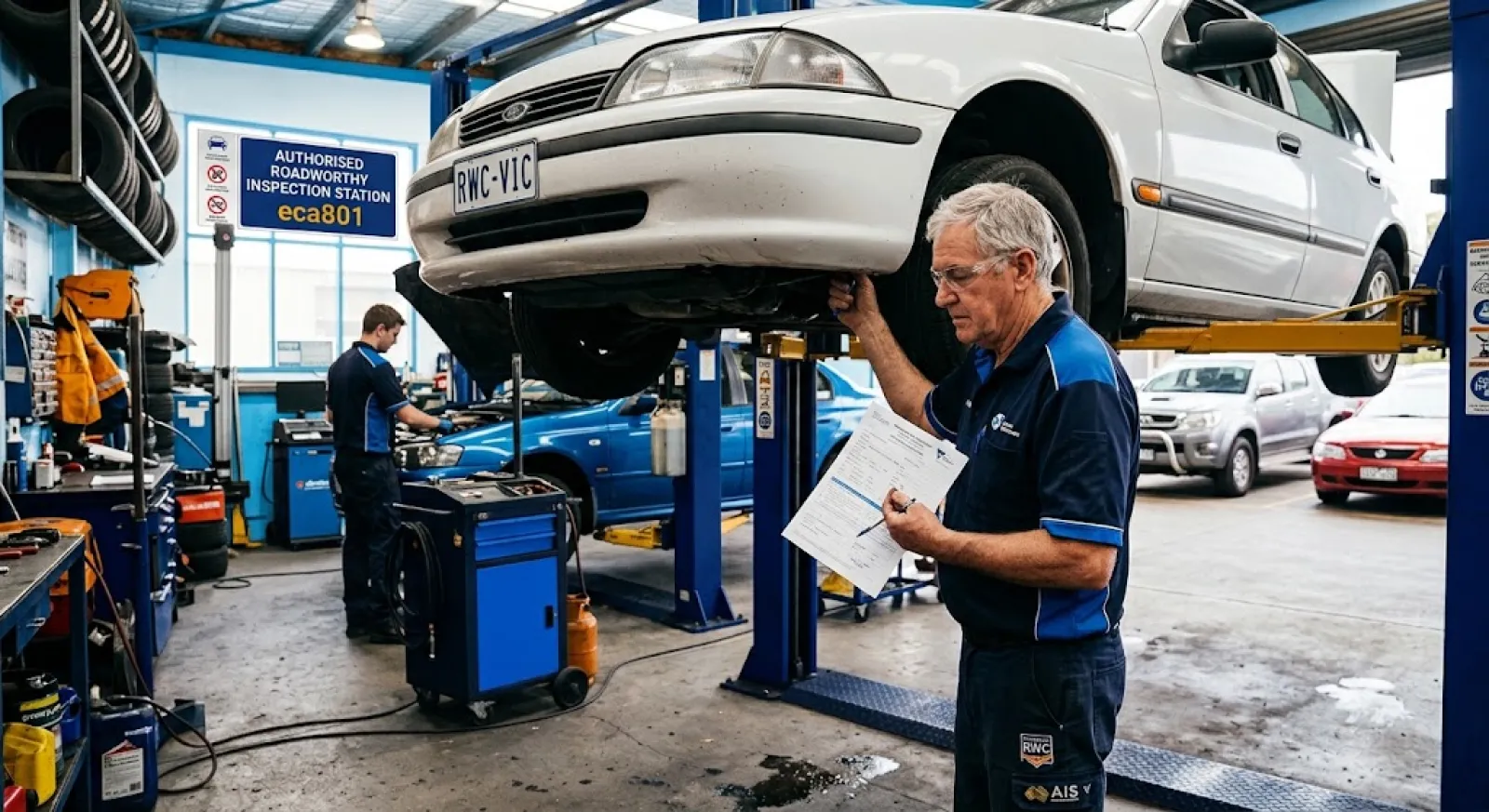
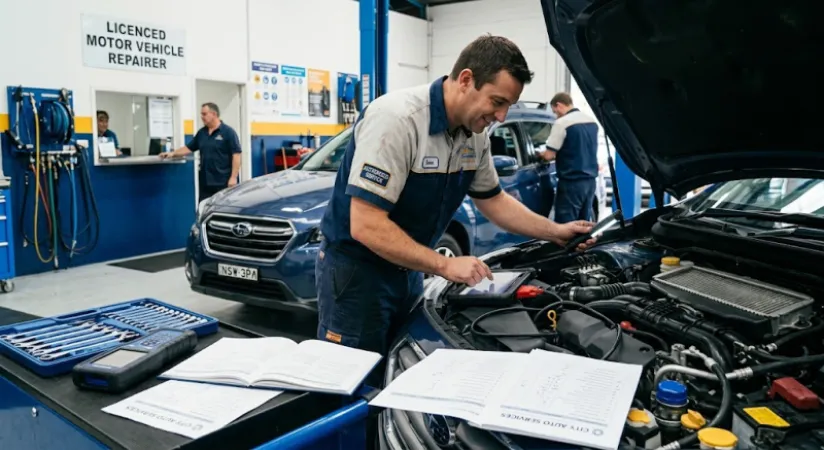
A roadworthy certificate is an official inspection document issued by an authorized inspection station or licensed vehicle tester across Australia. Its purpose is simple yet critical: to confirm that a light vehicle—such as a car, SUV, ute, motorcycle, trailer, or light commercial van—meets minimum visual and functional safety standards required to operate legally on public roads.
Navigating roadworthy requirements in Australia can feel confusing because each state and territory enforces its own transport laws, administrative naming conventions, validity periods, and inspection triggers. What is called a Certificate of Roadworthiness (RWC) in Victoria is known as a Safety Certificate in Queensland, an eSafety Check (Pink Slip) or Blue Slip in New South Wales, and a Vehicle Examination Report in Western Australia.
Whether you are buying a used car, selling your current vehicle, transferring registration across state borders, clearing an unroadworthy defect notice (yellow sticker), or re-registering an unregistered vehicle, understanding your local transport authority's rules is essential. This guide explains everything you need to know about roadworthy certificates across every Australian state and territory, including costs, inspection criteria, seller versus buyer legal obligations, and practical consumer advice.
What Is a Roadworthy Certificate (RWC)?
At its core, a roadworthy inspection evaluates whether a vehicle's essential safety components are in safe working order at the exact time of examination. It is designed to minimize road accidents caused by worn-out mechanical hazards, structural defects, or malfunctioning safety equipment.
What Is Inspected During a Roadworthy Check?
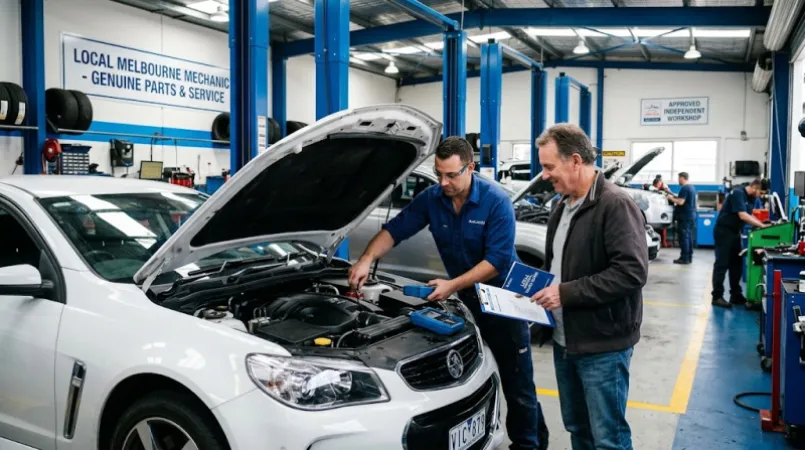
When you bring your vehicle to a licensed tester or auto mechanic in Australia, the inspector examines key safety features:
-
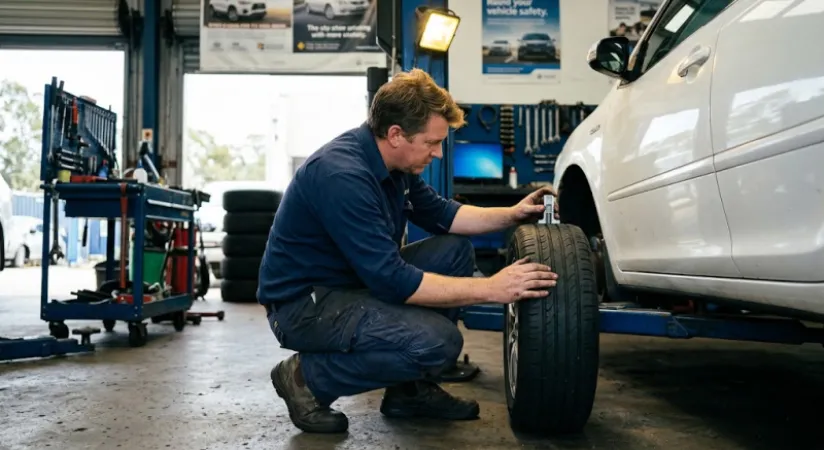
Tyres and Wheels: Tyre tread depth (must meet legal minimums, typically 1.5 mm across the tread pattern), sidewall cracking, gouges, rim damage, and correct tyre sizing.
-
Braking System: Pads, discs, drums, hydraulic lines, handbrake efficiency, and fluid leaks.
-
Steering and Suspension: Steering rack condition, tie rod ends, power steering fluid/pumps, shock absorbers, ball joints, and suspension bushings.
-
Lights and Electricals: Headlights (high/low beam), brake lights, indicators, hazard lights, reverse lights, number plate lights, horn, and battery security.
-
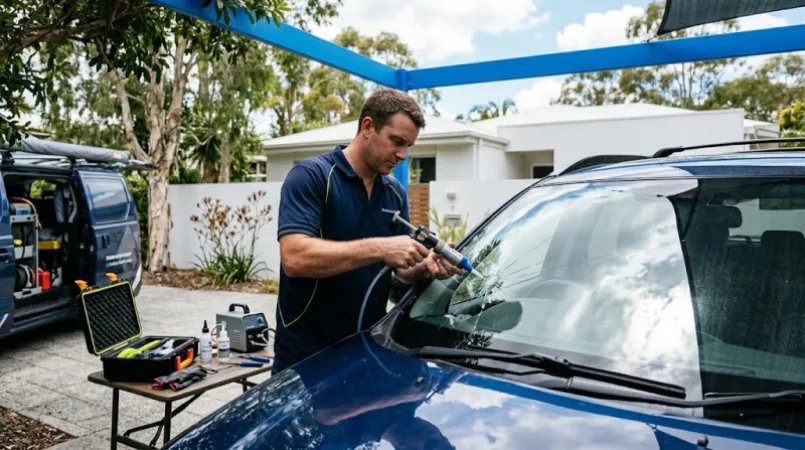
Windscreen and Windows: Cracks or chips in the driver’s line of sight, tint darkness levels, wiper blade condition, and washer fluid operations.
-
Vehicle Structure and Body Work: Structural rust, severe panel impact damage, sharp protruding edges, and chassis integrity.
-
Seats and Seatbelts: Webbing wear, fraying, retractor lock performance, and anchor point integrity.
-
Exhaust and Emissions System: Exhaust leaks, muffler condition, mounting hardware, and excessive smoke output.
What a Roadworthy Certificate Does NOT Cover
A common misconception among Australian used-car buyers is assuming that a valid roadworthy certificate guarantees a vehicle is in top mechanical condition or represents a good purchase.
A roadworthy certificate is purely a safety assessment, NOT a comprehensive mechanical health report.
An inspection station will not evaluate or guarantee:
-
Mechanical Longevity or Engine Condition: Compression issues, impending head gasket failures, internal engine wear, or oil consumption.
-
Transmission & Clutch Health: Gearbox wear, slipping clutches, or automatic transmission fluid breakdown.
-
Non-Safety Accessories: Air conditioning efficiency, electric window regulators, infotainment screens, cruise control, or sound systems.
-
General Wear and Tear: Items that pass the legal safety minimum today may fail weeks or months down the line.
-
Vehicle Value or Financial Status: Whether the car has money owing (encumbrance), has been written off, or has odometer tampering (which requires a PPSR check).
Tip for Buyers: Always pair a state-required roadworthy certificate with a pre-purchase mechanical inspection performed by an independent mechanic in Australia.
State-by-State Roadworthy Certificate Requirements
1. Victoria (VicRoads)
Victoria has some of Australia's strictest enforcement regarding roadworthy certificates during vehicle ownership changes.
-
Official Term: Certificate of Roadworthiness (RWC).
-
Governing Body: VicRoads.
-
Who Conducts Inspections: VicRoads-licensed Vehicle Testers (LVTs).
-
When You Need One:
-
Selling a registered light vehicle to a private buyer.
-
Transferring vehicle registration to another person (except exempt transfers like spouse-to-spouse or deceased estates).
-
Re-registering an unregistered vehicle.
-
Clearing a VicRoads defect notice (yellow sticker).
-
Registering a vehicle imported from another state.
-
-
Validity Period:30 days from the date of issue.
-
Key Considerations: In Victoria, private sellers are legally obligated to provide a valid RWC to the buyer unless the car is explicitly sold unregistered.
2. Queensland (Department of Transport and Main Roads - TMR)
Queensland strictly enforces safety checks before a vehicle can even be offered for public sale.
-
Official Term: Safety Certificate.
-
Governing Body: Department of Transport and Main Roads (TMR).
-
Who Conducts Inspections: Approved Inspection Stations (AIS).
-
When You Need One:
-
Before offering or advertising a used vehicle for sale (a copy or digital reference must be displayed on the vehicle, such as in the window).
-
Transferring registration to a new owner.
-
Re-registering an unregistered vehicle or transferring from interstate.
-
Clearing a defect notice.
-
-
Validity Period:
-
Private Sellers: 2 months or 2,000 km (whichever occurs first).
-
Licensed Dealers: 3 months or 1,000 km.
-
-
Exemptions: Sales to licensed motor dealers, or transactions in designated remote/exempt zones.
3. New South Wales (Transport for NSW)
New South Wales approaches vehicle safety through annual registration checks rather than point-of-sale certificates.
-
Official Term: eSafety Check (commonly called a Pink Slip) and Blue Slip (AUVIS inspection).
-
Governing Body: Transport for NSW / Service NSW.
-
Who Conducts Inspections: Authorised Inspection Scheme (AIS) stations.
-
When You Need One:
-
Pink Slip (eSafety Check): Required annually for most light vehicles over 5 years old before registration renewal can occur.
-
Blue Slip: Required when registering an unregistered vehicle, re-registering a vehicle whose registration lapsed over 3 months, transferring an interstate car into NSW, or clearing major defect notices.
-
-
When You DO NOT Need One: You do not need a special inspection specifically to sell a registered vehicle privately, provided the annual Pink Slip and registration are current.
-
Validity Period: Pink Slips are valid for 6 months for registration renewal purposes.
4. Western Australia (Department of Transport WA)
Western Australia does not require a roadworthy inspection for standard private used-car sales.
-
Official Term: Vehicle Examination Report.
-
Governing Body: Department of Transport (DoT WA).
-
Who Conducts Inspections: Authorised Inspection Stations (AIS).
-
When You Need One:
-
Transferring an interstate vehicle to WA registration.
-
Re-registering an unregistered vehicle or one with lapsed registration.
-
Clearing a Police or DoT Defect Notice ("Yellow Sticker" or "Work Order").
-
Modified vehicles or commercial passenger/rideshare vehicles.
-
-
Validity Period:3 months.
-
Key Difference: Private vehicle sales between WA residents for currently registered vehicles do not require a roadworthy inspection at the point of sale.
5. South Australia (Service SA / DIT)
Similar to WA, South Australia places the primary legal responsibility on vehicle owners to maintain safety, without mandating point-of-sale inspections for standard light vehicles.
-
Official Term: Vehicle Inspection.
-
Governing Body: Service SA / Department for Infrastructure and Transport (DIT).
-
When You Need One:
-
Re-registering a vehicle that has been unregistered or written off (and repaired).
-
Bringing an interstate vehicle into South Australia (in specific circumstances or for heavy vehicles).
-
Defect notice clearances.
-
Custom, kit, or significantly modified vehicles.
-
-
Validity Period: Typically 2 months.
6. Australian Capital Territory (Access Canberra)
The ACT blends age-based triggers with point-of-sale requirements.
-
Official Term: Certificate of Inspection.
-
Governing Body: Access Canberra.
-
Who Conducts Inspections: Access Canberra Vehicle Inspection Station or authorised private inspection stations.
-
When You Need One:
-
Selling or transferring ownership of a vehicle that is more than 6 years old.
-
Transferring registration from another Australian state or territory.
-
Re-registering an unregistered vehicle or clearing a defect notice.
-
Rideshare and public passenger vehicle renewals.
-
-
Validity Period:1 month or 2,000 km.
7. Tasmania (Transport Tasmania)
Tasmania does not mandate routine roadworthy checks for standard private vehicle transfers, provided registration is active.
-
Official Term: Roadworthy Inspection Report.
-
Governing Body: Department of State Growth (Transport Tasmania).
-
Who Conducts Inspections: Approved Inspection Stations.
-
When You Need One:
-
Registering an unregistered vehicle or a vehicle coming from interstate.
-
Clearing a defect notice issued by Tasmania Police or Transport Inspectors.
-
Public passenger and commercial transport vehicles.
-
-
Validity Period:2 months.
8. Northern Territory (MVR)
The Northern Territory operates on periodic vehicle age milestones rather than transaction triggers.
-
Official Term: Vehicle Inspection Report.
-
Governing Body: Motor Vehicle Registry (MVR NT).
-
When You Need One:
-
When a vehicle reaches 5 years of age.
-
When a vehicle reaches 10 years of age, and annually thereafter for registration renewal.
-
Bringing a vehicle into the NT from another state.
-
Clearing a defect notice.
-
-
Validity Period:3 months.
Typical Roadworthy Certificate Costs in Australia
The cost of obtaining a roadworthy certificate varies across Australia depending on whether state government transport bodies set fixed statutory inspection caps or allow independent service stations to set their hourly rates based on labour overheads.
| State / Territory | Certificate Type | Typical Inspection Fee Range (AUD) | Pricing Structure |
|
New South Wales |
Pink Slip (eSafety) |
$46 – $55 |
Fixed statutory fee capped by NSW Government |
|
New South Wales |
Blue Slip (Unregistered) |
$75 – $110 |
Fixed statutory fee schedule |
|
Victoria |
Certificate of Roadworthiness |
$150 – $280 |
Set by workshop (Labour + Admin) |
|
Queensland |
Safety Certificate |
$95 – $115 |
Fixed statutory fee for light vehicles |
|
Western Australia |
Vehicle Examination |
$100 – $180 |
Statutory exam fee + workshop booking |
|
South Australia |
Vehicle Inspection |
$90 – $160 |
Service SA / Approved Station rates |
|
ACT |
Certificate of Inspection |
$75 – $120 |
Fixed or capped inspector rates |
|
Tasmania |
Roadworthy Report |
$90 – $150 |
Set by workshop hourly rates |
|
Northern Territory |
MVR Inspection |
$65 – $95 |
Fixed statutory MVR rate |
Note: The inspection fee covers the physical test only. It does NOT include the cost of repairs required to pass the test if defects are discovered.
Factors Affecting Final Roadworthy Costs
-
Vehicle Type & Size: Light passenger cars cost less to inspect than 4WDs, light commercial trucks, or modified vehicles requiring extra testing.
-
Re-inspection Fees: If your car fails the initial check, workshops generally allow a grace period (e.g., 14 days in VIC, 14 days in QLD) to fix the issues. Minor re-inspections may be free or incur a smaller secondary fee ($30–$60), whereas exceeding the grace period requires paying for a brand-new full inspection.
-
Mobile Inspection Services: Mobile inspection vans offer convenient house or workplace visits but may include a travel surcharge ($30–$70).
Common Reasons Vehicles Fail a Roadworthy Inspection
Understanding why vehicles fail helps you conduct a quick self-check before taking your car to a vehicle inspector in Australia.
-
Worn or Damaged Tyres: Tread depth below 1.5 mm, uneven edge wear caused by poor wheel alignment, or visible cracks/bulges in tyre sidewalls.
-
Windscreen Chips and Cracks: Cracks extending through the glass layers, or stone chips larger than 10-15 mm located directly within the driver's line of sight or wiper sweep area.
-
Blown Bulbs & Faulty Lights: Non-functioning brake lights, burnt-out license plate bulbs, cloudy/faded headlight lenses reducing beam output, or cracked indicator lenses showing white light instead of amber.
-
Worn Brake Components: Brake pads worn thinner than 2–3 mm, heavily grooved or warped brake rotors, soft brake pedal feel, or leaking brake fluid lines.
-
Suspension Leaks & Bushing Play: Oil leaking from shock absorber struts, split rubber CV boot gaiters, or excessive movement in steering arm joints.
-
Engine and Fluid Leaks: Major oil or coolant drips contaminating underbody components or dripping onto hot exhaust components.
-
Seatbelt Damage: Subtle fraying along seatbelt webbing edges, delayed retractor lockup, or buckles failing to latch securely.
Step-by-Step Process: How to Get a Roadworthy Certificate
Step 1: Pre-Inspection DIY Check
Save time and money by checking basic items at home before your appointment:
-
Test every exterior light (ask a friend or family member to confirm brake and reverse lights).
-
Check tyre tread depth and inflate tyres to the recommended PSI on the tyre placard inside the driver's door pillar.
-
Replace worn wiper blades and fill washer fluid reservoirs.
-
Clean out excess clutter inside the vehicle so inspectors can easily access seatbelts, child seat anchor points, and spare tyre wells.
Step 2: Book with an Authorised Inspector
Ensure the workshop holds proper government authorization for your state (e.g., VicRoads LVT sign in VIC, AIS logo in QLD or NSW).
Step 3: Vehicle Inspection
The inspector performs a comprehensive physical, mechanical, and underbody review, taking photographs or uploading digital records to state transport systems (such as VicRoads online or NSW eSafety online portal).
Step 4: Reviewing Results
-
If Passed: You receive an official certificate (digital receipt or physical paper document) detailing your vehicle details, VIN, inspector license number, and expiration date.
-
If Failed: The tester provides a detailed rejection report outlining failed items. You typically have 14 calendar days (state regulations vary) to repair the defects and present the vehicle for a re-inspection.
Buyer vs. Seller Responsibilities in Australia
Understanding legal obligations during private vehicle sales protects both parties from fines and registration headaches.
Seller Obligations (Victoria & Queensland Focus)
-
In Victoria, sellers are required by law to provide a valid 30-day RWC to private buyers when transferring registration, unless selling the car completely unregistered.
-
In Queensland, sellers must obtain and display a valid Safety Certificate before advertising the car for sale. Failing to display a Safety Certificate on an advertised vehicle carries on-the-spot fines.
-
In NSW, WA, SA, TAS, and ACT, sellers of currently registered vehicles generally do not need to provide an RWC, shifting maintenance verification and pre-purchase due diligence onto the buyer.
Buyer Considerations
-
Verify Certificate Authenticity: Always ensure the VIN on the roadworthy document matches the vehicle chassis plate exactly.
-
Check Expiration Dates: Verify that the inspection date falls within your state's validity window (e.g., 30 days in VIC).
-
Perform an Independent Mechanical Check: Remind yourself that an RWC does not test engine health, transmission reliability, or air conditioning systems.
Practical Scenarios: Real-World Examples
Scenario A: Moving Interstate from Melbourne to Sydney
-
The Situation: Sarah moves from Victoria to New South Wales with her 2018 Toyota RAV4. Her Victorian registration is still valid for 4 months.
-
The Process: Because Sarah is transferring registration across state borders to Transport for NSW, her Victorian RWC is not accepted. She must book an AUVIS Blue Slip inspection at a NSW authorized inspection station, obtain green slip CTP insurance, and visit Service NSW to convert her plates.
Scenario B: Selling an Older Car in Regional Queensland
-
The Situation: Mark is selling his 2012 Ford Ranger in Toowoomba, QLD.
-
The Process: Before creating an online marketplace listing or putting a "For Sale" sign on the window, Mark books an inspection at a local Approved Inspection Station. Once issued, his Safety Certificate remains valid for 2 months or 2,000 km, giving him time to complete the private sale legally.
Scenario C: Buying a Second-Hand Car Privately in Western Australia
-
The Situation: Liam is buying a registered 2015 Mazda 3 from a private seller in Perth, WA.
-
The Process: In WA, no roadworthy inspection is required for private sales of registered vehicles. Liam and the seller simply complete the DoT vehicle transfer form (MR9) within 14 days. However, Liam wisely books a pre-purchase inspection with a local mechanic in Australia to verify mechanical condition before handing over funds.
Consumer Checklist Before Booking a Roadworthy Inspection
Before taking your car in for testing, run through this practical checklist:
-
Clean the Car: Wash the exterior and underbody, and vacuum the interior so components are clearly visible.
-
Check All Lights: Verify low beam, high beam, indicators, hazard lights, brake lights, reverse lights, and license plate bulbs.
-
Inspect Tyres: Check tread depth (minimum 1.5mm), sidewall condition, and correct tyre pressures (including the spare).
-
Check Windscreen & Wipers: Ensure wipers wipe cleanly without smearing and that washer fluid is topped up.
-
Verify Seatbelts: Extend every seatbelt fully to check for fraying, and test that all buckles latch and release smoothly.
-
Inspect Dashboard Warning Lights: Ensure no ABS, SRS airbag, or engine management warning lights remain illuminated while the engine is running.
-
Confirm Provider Credentials: Check that the workshop is an officially licensed vehicle inspection station in your specific state or territory.
-
Request Written Quotes: Confirm the base inspection fee upfront, along with re-inspection policies if minor repairs are required.
Find Local Automotive Services and Information on AusLocaly
Navigating state transport regulations and maintaining vehicle safety requires trusted, qualified professionals near you. Whether you need a licensed vehicle inspection station, a routine logbook service, or mobile mechanic assistance, AusLocaly connects you directly with local Australian automotive businesses and transport resources in your area.
By visiting AusLocaly Categories, vehicle owners, buyers, and sellers across Australia can explore top-rated providers across key services:
-
Find qualified mechanics and inspection workshops on the AusLocaly Automotive Services directory.
-
Locate mobile vehicle inspection specialists across major metropolitan centers including AusLocaly Sydney, Melbourne, and Brisbane.
-
Research local garage services, pre-purchase mechanical checks, tyre replacement centres, and registration inspection stations tailor-made for your neighborhood.
Simplify your vehicle registration, buying, and selling journey today by researching trusted local services and community guides at AusLocaly.