What Does a Podiatrist Treat and When Should You Book an Appointment?
Learn what a podiatrist treats in Australia, common foot and lower limb conditions, consultation costs, Medicare rebates, and when to book an appointment.
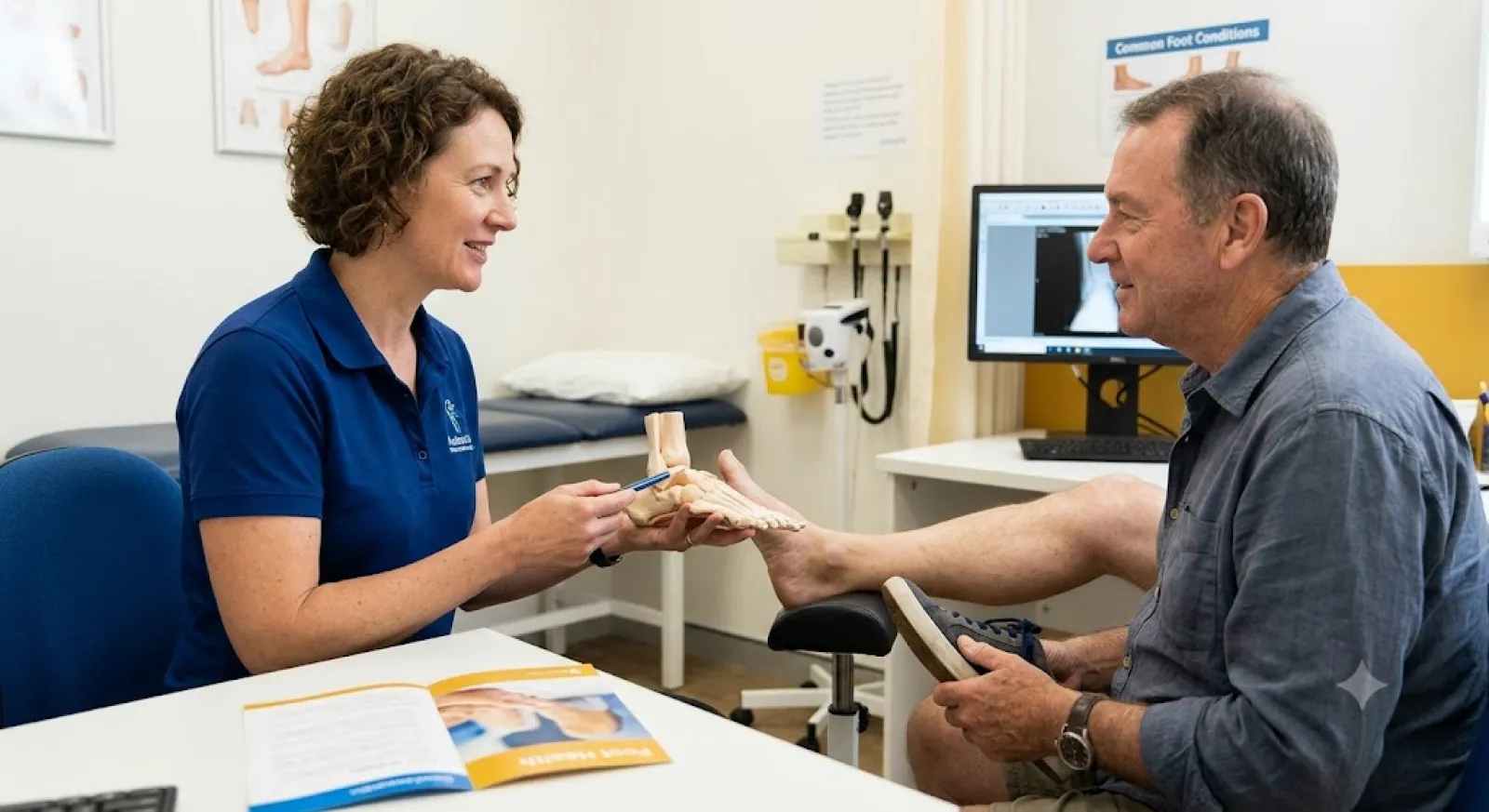
Foot and lower limb health plays a fundamental role in overall mobility, posture, and daily quality of life. Yet, lower extremity pain is frequently overlooked until simple tasks—such as walking, standing at work, or exercising—become uncomfortable or painful. In Australia, podiatrists are university-trained health professionals who diagnose, treat, and prevent conditions affecting the feet, ankles, and connected lower leg structures.
Whether you are managing a persistent sports injury, navigating diabetic foot care, or struggling with stubborn ingrown toenails, knowing what a podiatrist treats and when to book an appointment helps you take proactive control of your physical health and avoid long-term mobility issues.
What Is a Podiatrist?
A podiatrist is a registered Allied Health Professional in Australia who specializes in foot, ankle, and lower limb care. In Australia, practicing podiatrists must hold an accredited university degree in podiatric medicine (typically a four-year Bachelor or Master’s qualification) and maintain active registration with the Podiatry Board of Australia via the Australian Health Practitioner Regulation Agency (AHPRA).
Podiatrists are qualified to assess biomechanics, perform minor surgical procedures under local anaesthesia (such as nail avulsions for chronic ingrown toenails), prescribe custom orthotics, manage complex high-risk foot conditions, and recommend specialized footwear.
Key Conditions Treated by Podiatrists in Australia
Podiatrists treat a broad spectrum of conditions ranging from acute sports injuries and structural misalignments to routine dermatological skin and nail problems.
1. Heel and Arch Pain (Plantar Fasciitis)
Heel pain is one of the most frequent complaints presented to podiatry practices across major Australian cities like Sydney, Melbourne, and Brisbane.
-
Plantar Fasciitis: Inflammation of the thick band of tissue running along the bottom of the foot, often causing sharp morning pain.
-
Achilles Tendinopathy: Stiffness or pain in the tendon connecting calf muscles to the heel bone.
-
Heel Spurs: Bony growths resulting from long-term strain on foot ligaments.
2. Toenail and Skin Conditions
-
Ingrown Toenails: A painful condition where the nail edge curved into the skin fold, causing infection. Podiatrists offer conservative treatments or minor nail avulsion surgery under local anaesthetic.
-
Fungal Nail Infections (Onychomycosis): Thickened, discoloured nails managed via medical clearing, topical treatments, or laser therapy.
-
Corns and Calluses: Hardened layers of dead skin caused by friction or pressure from ill-fitting shoes.
-
Plantar Warts (Verrucae): Viral infections on the soles of the feet requiring targeted clinical treatments.
3. High-Risk Foot Care & Diabetes Management
For individuals living with diabetes, annual foot assessments are critical. Diabetes can cause peripheral neuropathy (nerve damage leading to numbness) and peripheral arterial disease (reduced blood flow). A podiatrist performs neurological and vascular testing (such as Doppler ultrasound) to prevent diabetic foot ulcers, serious infections, or long-term complications.
4. Sports Injuries and Biomechanical Issues
Active Australians engaged in running, sports, or physical trades frequently experience overuse injuries. Podiatrists perform dynamic gait analysis using pressure plates or treadmill video recording to evaluate how your feet hit the ground, helping treat:
-
Shin splints (Medial Tibial Stress Syndrome).
-
Ankle sprains and instability.
-
Stress fractures in the metatarsal bones.
-
Knee and lower back pain caused by overpronation (flat feet) or high arches.
5. Paediatric (Children's) Foot Health
Parents in suburban centers across Adelaide, Perth, or Canberra often consult podiatrists regarding their growing children's gait. Common paediatric concerns include severe in-toeing ("pigeon-toed" walking), flat feet, growing pains (such as Sever's disease in the heel), or unusual walking patterns.
When Should You Book a Podiatrist Appointment?
Knowing when to seek professional podiatric care prevents minor discomfort from escalating into chronic musculoskeletal issues.
Do You Need a Referral to See a Podiatrist in Australia?
In Australia, you do not need a GP referral to book an appointment with a private Podiatrist in Australia. You can contact a local clinic directly and pay privately or claim through private health insurance.
Medicare Rebates via Enhanced Primary Care (EPC) Plans
While standard podiatry consultations are not automatically covered by Medicare, patients with complex or chronic health conditions (such as diabetes, arthritis, or neurological disorders) may qualify for Medicare rebates.
-
Visit your regular General Practitioner in Australia to discuss a Chronic Disease Management (CDM) Plan (formerly known as an Enhanced Primary Care / EPC plan).
-
If eligible, your GP can issue a referral providing up to 5 Medicare-subsidised allied health visits per calendar year.
-
The current Medicare rebate under item 10953 provides a rebate (typically ~$58 to $63 per visit) toward your consultation fee, leaving only a small out-of-pocket gap fee depending on the clinic's fee schedule.
Department of Veterans' Affairs (DVA) & NDIS
-
DVA Clients: Gold Card holders (and eligible White Card holders) with a valid GP referral (D904 form) receive fully bulk-billed podiatry care.
-
NDIS Participants: Self-managed or plan-managed NDIS participants with allocated capacity-building or core support funding can access podiatry services for mobility and functional support.
Typical Podiatry Costs in Australia
Podiatry consultation fees vary across Australian capital cities and regional areas based on appointment duration, clinical complexity, and required treatments.
Fee and Service Breakdown Table
| Service / Treatment Type | Average Price Range (AUD) | Private Health / Medicare Rebate Options |
| Initial Consultation & Assessment (30–45 mins) | $95 – $140 | Private Extras (HICAPS) / Medicare EPC rebate (~$60) |
| Standard Follow-Up Consultation (20–30 mins) | $75 – $105 | Private Extras / Medicare EPC rebate (~$60) |
| Custom Prescription Orthotics (Includes 3D scanning) | $400 – $700 | Covered under mid/high-tier Extras policies |
| Ingrown Toenail Surgery (Partial nail avulsion with local) | $250 – $450 | Partial Private Extras claim depending on policy |
| Shockwave Therapy Session (For persistent heel pain) | $80 – $150 per session | Varies by health fund extras category |
Private Health Insurance: Most Australian health funds (such as Medibank, Bupa, HCF, and NIB) offer rebates for podiatry under mid-to-high tier Extras policies. Most clinics feature on-site HICAPS terminals for instant claiming at reception.
Regional vs Capital City Differences
-
Metropolitan Capital Cities (Sydney, Melbourne, Brisbane): Urban clinics frequently offer specialized diagnostic equipment, such as 3D laser foot scanners, dedicated pressure gait analysis labs, and specialized laser fungal nail treatments.
-
Regional & Rural Communities: In regional towns across regional New South Wales, Victoria, or Queensland, podiatrists often provide vital mobile or home-visiting services for elderly patients or regional nursing homes, ensuring regional communities maintain access to safe lower limb care.
How to Choose the Right Local Podiatrist
When selecting a podiatrist in your local area, evaluate the following practical benchmarks:
-
AHPRA Registration: Confirm that the practitioner is registered with the Podiatry Board of Australia via the public AHPRA register.
-
Professional Membership: Look for membership with recognized peak bodies, such as the Australian Podiatry Association (APodA).
-
Clinical Focus: Select a clinic whose expertise aligns with your specific needs (e.g., sports injuries, diabetic foot care, or paediatric podiatry).
-
Transparent Pricing: Ensure the clinic clearly outlines initial consultation fees, orthotic manufacturing costs, and HICAPS claiming procedures upfront.
Consumer Checklist Before Booking Your Appointment
-
[ ] Identify Primary Symptoms: Note when your foot or leg pain occurs and what activities aggravate it.
-
[ ] Gather Relevant Footwear: Bring your most frequently worn work shoes, running shoes, or everyday footwear to your assessment so the podiatrist can inspect sole wear patterns.
-
[ ] Confirm Health Fund Coverage: Check your Private Health Insurance Extras limits for podiatry item numbers via your fund's app.
-
[ ] Obtain GP Referral (If Applicable): If managing a chronic condition, speak with your GP about a Medicare Chronic Disease Management plan prior to your appointment.
-
[ ] Bring Diagnostic Records: Bring recent X-ray, ultrasound, or MRI reports related to your lower leg or foot injury.
Find Local Podiatrists and Health Services on AusLocaly
Maintaining lower limb health, treating foot pain, and connecting with accredited health professionals in your suburb is straightforward with the right directory resources. AusLocaly connects Australian residents, families, and active individuals with local service providers, health categories, and community information across every state and territory.
Whether you are seeking allied health services, podiatrists, physical therapists, or general practices in Sydney, Melbourne, Brisbane, Perth, or Adelaide, AusLocaly provides organized business listings and localized directories to support your healthcare search.
-
Explore Health & Allied Services Categories: Discover registered podiatrists and local health clinics at AusLocaly Categories.
-
Browse Major Metropolitan Hubs: Access regional health directories and suburban service hubs via AusLocaly Sydney, AusLocaly Melbourne, and AusLocaly Brisbane.
To research local healthcare providers, compare allied health services, and access regional information in your area, visit AusLocaly today.
Related Topics & Tags
Elliot's work centres on making business information clearer, more consistent and easier to navigate. He is particularly interested in service descriptions and category definitions. His editorial style removes unnecessary jargon while retaining useful detail. He contributes polished content for readers comparing local business options.