Does Your Child Need Speech Therapy? Signs and Next Steps for Parents
Worried about your child's communication? Learn the age-by-age developmental signs, speech therapy costs, NDIS funding, and Medicare rebates in Australia.
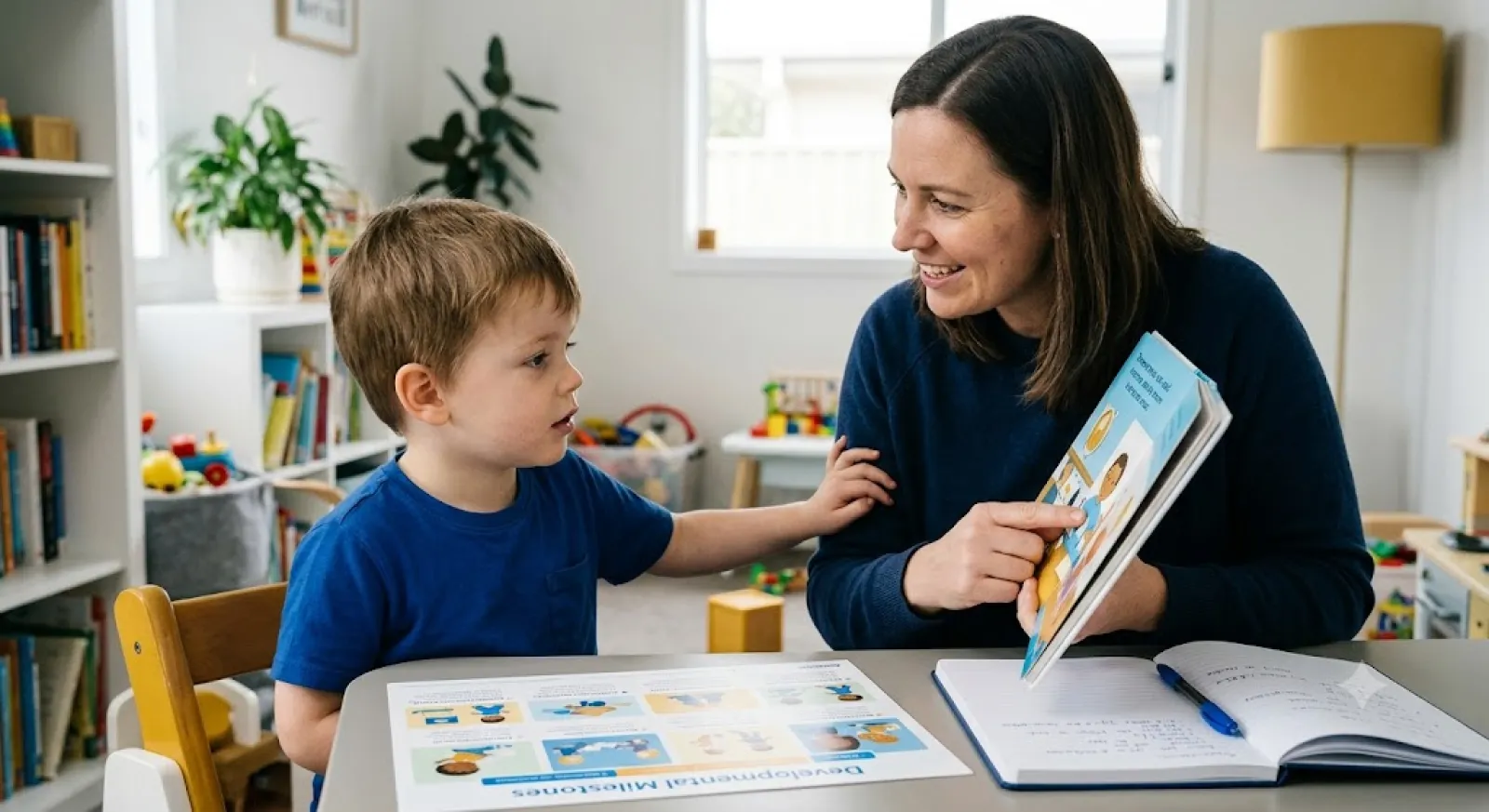
Communication is the foundation of early childhood learning, social interaction, and emotional wellbeing. When a child struggles to express their thoughts, understand directions, or pronounce words clearly, parents often wonder whether it is just a temporary phase or a developmental delay requiring clinical support. In Australia, early identification of communication challenges significantly improves educational outcomes, peer relationships, and long-term literacy skills.
Navigating the Australian healthcare and early childhood intervention landscape can feel daunting for families. Between understanding key speech and language milestones, navigating Medicare rebates, and accessing the National Disability Insurance Scheme (NDIS), parents need clear, practical guidance.
This comprehensive guide breaks down the critical age-by-age signs of speech and language delays, outlines standard therapy costs across major Australian cities like Sydney, Melbourne, and Brisbane, and explains the exact step-by-step pathway to getting professional assessment and funding support.
1. Speech vs. Language: Understanding the Difference
Before evaluating developmental milestones, it is helpful to distinguish between speech and language, as speech pathologists assess and treat both areas independently or together.
-
Speech: Refers to the physical production of sounds. It includes how clearly sounds are formed (articulation), the rhythm and flow of speech (fluency or stuttering), and voice quality.
-
Language: Refers to the rule-governed system used to share thoughts, ideas, and information. It includes receptive language (what a child understands) and expressive language (the words, vocabulary, and grammar a child uses to construct sentences). A child can have normal speech sound clarity but still experience a significant language delay.
2. Age-by-Age Developmental Milestones & Warning Signs
Children develop communication skills at their own pace, but Speech Pathology Australia provides benchmark milestones to determine when clinical screening is recommended.
12 Months
-
Expected Milestones: B来源, responds to their name, uses gestures (waving, pointing), and turns toward familiar sounds.
-
Warning Signs: Does not make eye contact, does not gesture or point to objects, or shows little response to voices or music.
18 Months
-
Expected Milestones: Uses 6 to 20 functional single words (e.g., "bye", "mum", "no", "ball"), understands simple instructions like "sit down", and imitates common animal or vehicle sounds.
-
Warning Signs: Uses fewer than 6 spoken words, does not respond to simple verbal requests, or stops using words they previously mastered.
2 Years (24 Months)
-
Expected Milestones: Possesses a vocabulary of 50 or more single words, joins 2 words together (e.g., "big dog", "go car"), and uses speech to ask for help or items.
-
Warning Signs: Uses fewer than 50 words, relies entirely on pointing or whining to communicate needs, or cannot follow simple 1-step directions without gestures.
3 Years
-
Expected Milestones: Combines 3 to 4 words into simple sentences, is understood by family members most of the time (75%+ clarity), and understands basic concepts like "in", "on", and "under".
-
Warning Signs: Speech is largely unintelligible to unfamiliar adults, struggles to understand simple questions, or displays extreme frustration when trying to speak.
4 to 5 Years (Preschool / Kindergarten Transition)
-
Expected Milestones: Uses clear sentences of 4 to 6 words, follows 2- to 3-step directions, tells basic stories, and uses most speech sounds correctly (except for trickier sounds like "r", "th", or "v").
-
Warning Signs: Has persistent speech sound errors making them hard to understand, shows signs of stuttering (repeating sounds or getting stuck on words), or struggles significantly with social communication and turn-taking with peers.
3. Typical Australian Costs for Speech Pathology
In Australia, speech pathologists in private practice set their own consultation rates. Prices vary depending on location, practice overheads, and clinician experience.
-
Initial Clinical Assessment: A comprehensive diagnostic session assessing speech sound production, language comprehension, and oral-motor mechanics ranges from $220 to $450.
-
Formal Assessment Report: A detailed written report required for school support, NDIS applications, or medical referrals typically costs an additional $150 to $350.
-
Ongoing Therapy Sessions: Weekly or fortnightly individual therapy sessions (30 to 45 minutes) generally cost $140 to $220 per session.
-
NDIS Benchmark Rate: Under the National Disability Insurance Scheme (NDIS) Support Catalogue, therapy supports under Capacity Building are capped nationally at $193.99 per hour for standard weekday supports.
4. Government Funding Pathways and Medicare Rebates
Families in Australia can access several government funding schemes to offset or fully cover the costs of pediatric speech therapy.
1. GP Chronic Condition Management Plan (GPCCMP)
Formerly known as a Chronic Disease Management Plan (or EPC), your General Practitioner can prepare a GPCCMP if your child has a complex or long-term developmental condition lasting longer than 6 months.
-
Benefit: Provides access to up to 5 Medicare-rebated allied health sessions per calendar year.
-
Rebate Amount: The standard Medicare rebate provides $63.40 per session. Private clinics charge their normal fee, and parents pay the remaining gap fee out of pocket.
2. Expanded Medicare M10 Pathway (For Children & Young People Under 25)
Medicare expanded access under the M10 item group for speech pathology.
-
Eligibility: Children and young people under 25 years old diagnosed with, or suspected of having, speech sound disorders, stuttering, or cleft lip/palate can access rebated services via a referral from a GP, pediatrician, or specialist doctor.
-
Benefit: Eligible individuals can access up to 8 assessment sessions and 20 lifetime treatment sessions.
-
Rebate Amount: The standard rebate is $87.25 per session.
3. National Disability Insurance Scheme (NDIS)
For children under 9 years old with significant developmental delays or diagnosed disabilities (such as Autism Spectrum Disorder, Down Syndrome, or Global Developmental Delay), funding is accessible through the NDIS Early Childhood Approach:
-
Early Childhood Partners: Organisations like L联系 Partners or local community health services manage NDIS access for young children without requiring a formal medical diagnosis upfront.
-
Capacity Building Funding: Allocated funds cover therapy sessions, specialized equipment, and home/school communication aids.
4. Private Health Insurance
If you hold private health insurance with "Extras" cover, speech therapy is frequently covered under allied health benefits. Benefit amounts vary from $30 to $100+ per session up to your annual category limit. Note that you cannot claim a private health insurance benefit and a Medicare rebate for the exact same session.
5. How to Choose the Right Speech Pathologist in Australia
When selecting a pediatric provider for your child, consider the following evaluation criteria:
-
Professional Credentials: Ensure the practitioner is a Certified Practising Speech Pathologist (CPSP) registered with Speech Pathology Australia, the official national professional body.
-
Service Delivery Options: Determine whether clinic visits, mobile home/school visits, or telehealth appointments best suit your family's routine. Mobile services in major metropolitan regions like Melbourne, Sydney, Adelaide, or Perth may incur claimable travel fees under NDIS guidelines.
-
Pediatric Experience: Confirm that the clinician specializes in early childhood development, pediatric speech sound disorders, or neuroaffirming communication strategies depending on your child's needs.
-
Transparent Billing: Ensure the practice provides itemized quotes detailing assessment costs, ongoing session fees, and report-writing charges prior to your first visit.
Consumer Checklist for Australian Parents
Use this operational checklist when arranging speech therapy support for your child:
-
[ ] Document Observations: Record specific examples of speech clarity issues, word difficulties, or frustrating communication moments over 1–2 weeks.
-
[ ] Book a GP Appointment: Schedule a double consultation with your family GP to discuss your child's development and request a referral or GPCCMP/M10 plan.
-
[ ] Contact Local Early Childhood Partners: If your child is under 9 and showing significant delays, reach out to an NDIS Early Childhood Partner in your region.
-
[ ] Verify Certified Status: Confirm the practitioner is a Certified Practising speech pathologist in Australia via Speech Pathology Australia.
-
[ ] Check Health Fund Cover: Contact your private health insurance provider to check your Extras limits for speech pathology.
-
[ ] Inquire About Waitlists: Ask local clinics about current waiting times for assessments and ongoing therapy slots, especially in high-demand growth corridors.
-
Speech pathologist in Australia
-
Pediatric speech therapist in Australia
-
Allied health professional in Australia
Find Local Health Services and Australian Information on AusLocaly
Supporting a child's health and development requires timely access to trusted local professionals. Whether you are searching for a qualified speech pathologist in Australia, comparing pediatric therapy clinics across Sydney, Melbourne, Brisbane, or regional centers, or researching allied health options for your family, AusLocaly provides a comprehensive directory to help you connect with service providers in your community.
Through AusLocaly Categories, parents and carers can easily explore pediatric healthcare, early childhood education, and family support services tailored to their state, territory, or suburb. Search verified local listings, explore available services, and make informed choices for your child's growth and development across Australia.