Occupational Therapy for Adults - Services, Costs and Medicare Rebates
Guide to adult occupational therapy in Australia. Learn about home modifications, stroke recovery, NDIS funding, hourly rates, and Medicare rebates.
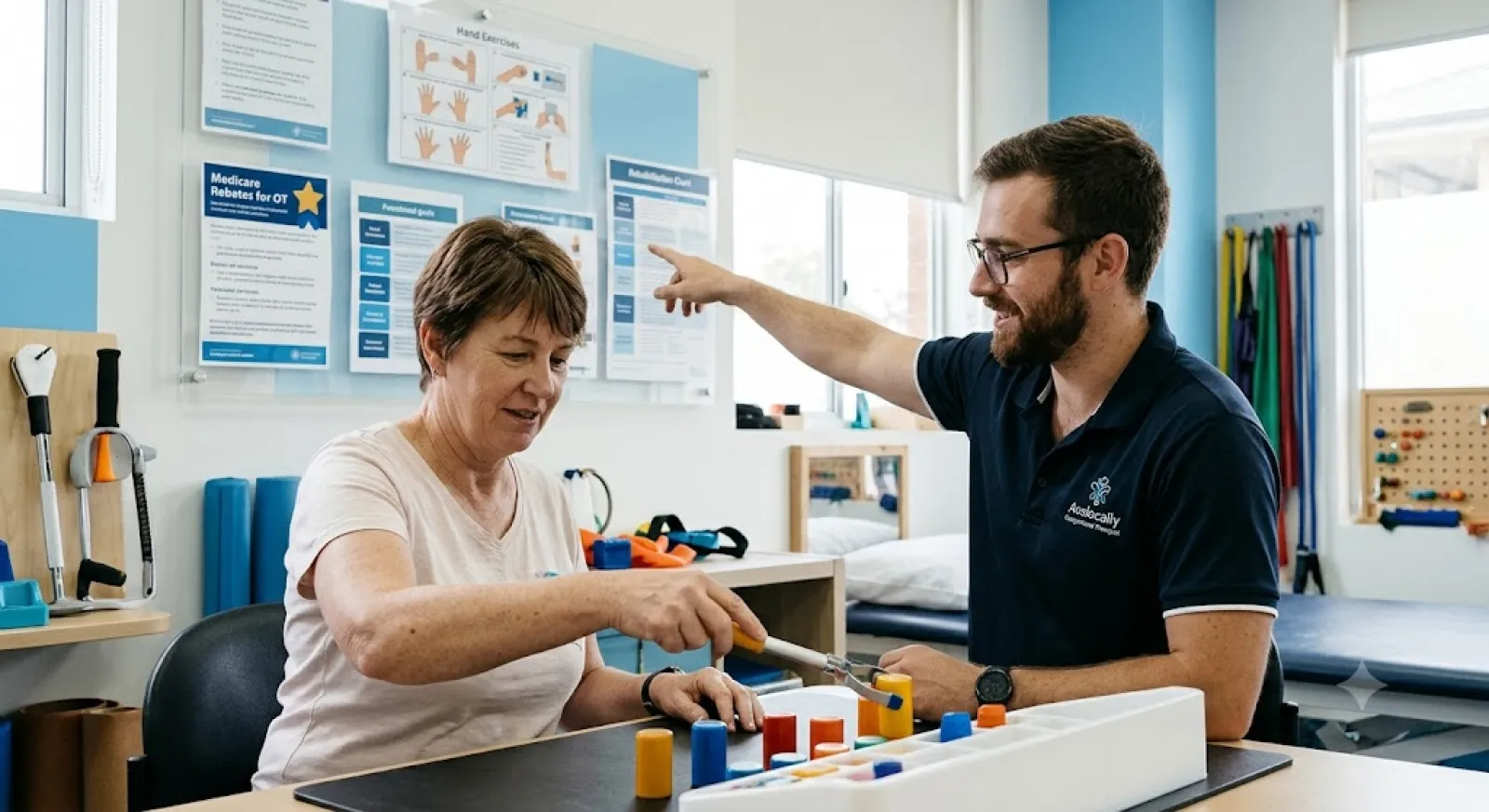
Maintaining independence, managing daily routines, and returning to meaningful activities after an illness, injury, or age-related decline are vital for long-term health and well-being. Adult occupational therapy focuses on enabling individuals to participate fully in everyday life. Rather than focusing solely on physical rehabilitation, occupational therapists evaluate the whole person, their environment, and the specific activities—or "occupations"—they need or want to perform.
In Australia's healthcare landscape, adult occupational therapy spans private clinics, community care, hospital rehabilitation units, and home-based support. Navigating the funding options, including Medicare rebates, the National Disability Insurance Scheme (NDIS), My Aged Care, and private health insurance, helps ensure you receive necessary support without incurring excessive out-of-pocket costs.
What Is Adult Occupational Therapy?
An Occupational Therapist in Australia (commonly referred to as an OT) is a university-qualified Allied Health Professional in Australia. In Australia, OTs must complete an accredited Bachelor or Master's degree in Occupational Therapy and hold active registration with the Occupational Therapy Board of Australia under the Australian Health Practitioner Regulation Agency (AHPRA).
While physiotherapy primarily targets joint mobility, muscle strength, and gross motor function, occupational therapy addresses how physical, cognitive, sensory, or psychological challenges affect daily living activities.
Key Services Provided by Occupational Therapists for Adults
Adult occupational therapy encompasses a broad spectrum of clinical interventions tailored to individual goals and living situations.
1. Home Assessments and Environmental Modifications
For older adults living at home in suburban communities across Sydney, Melbourne, or Brisbane, or individuals recovering from major surgery, an OT evaluates the domestic environment to reduce fall risks and enhance safety.
-
Minor Modifications: Installation of grab rails, non-slip surfaces, handheld shower hoses, and threshold ramps.
-
Major Modifications: Structural alterations such as stepless shower entries, wheelchair ramps, widening doorways, or installing stairlifts.
2. Prescription of Assistive Technology and Equipment
OTs assess, trial, and prescribe specialized assistive devices to help adults maintain autonomy. This includes custom manual or powered wheelchairs, specialized pressure-relief cushions, electric adjustable beds, rise-recline chairs, and adaptive kitchen utensils.
3. Neurological and Physical Rehabilitation
Following events such as a stroke, traumatic brain injury, spinal cord damage, or progressive conditions like Multiple Sclerosis (MS), OTs develop targeted therapy plans. These focus on upper-limb retraining, fine motor control, energy conservation strategies for chronic fatigue, and relearning personal care tasks like dressing and grooming.
4. Functional Capacity Assessments (FCAs)
A Functional Capacity Assessment is a comprehensive evaluation that measures an adult's ability to perform daily self-care, domestic, social, and economic tasks. FCAs are frequently requested to support NDIS plan reviews, housing applications (such as Specialist Disability Accommodation or Supported Independent Living), and medico-legal or workers' compensation claims.
5. Mental Health and Cognitive Rehabilitation
Under specialized mental health frameworks, OTs assist adults living with anxiety, depression, PTSD, or cognitive decline. Interventions include routine structuring, sensory modulation techniques, memory strategies, and support with executive functioning skills like budgeting and meal planning.
Medicare Rebates and Funding Options in Australia
Understanding how occupational therapy is funded in Australia can significantly lower out-of-pocket expenses.
1. Medicare Chronic Disease Management (CDM) Plan
To access Medicare rebates for adult occupational therapy, speak with your General Practitioner in Australia about a Chronic Disease Management (CDM) Plan (formerly known as an EPC plan).
-
Rebate Structure: Eligible patients receive Medicare rebates for up to 5 allied health visits per calendar year across all participating professions.
-
Rebate Amount: The standard Medicare rebate provides approximately $58 to $63 per session. If the OT charges private fees above the Medicare Benefits Schedule (MBS) rate, you pay the remaining out-of-pocket gap fee.
2. Better Access to Mental Health Care Initiative
If an adult requires mental health support, a GP can issue a Mental Health Treatment Plan. This allows up to 10 rebateable sessions per calendar year with an AHPRA-registered Occupational Therapist who holds endorsement in mental health.
3. National Disability Insurance Scheme (NDIS)
For adults under 65 living with a permanent and significant disability, OT services are typically funded through the Improved Daily Living category of NDIS Capacity Building supports. NDIS-funded sessions cover functional assessments, ongoing therapy, home modifications, and assistive technology prescriptions at standard national price caps.
4. My Aged Care
Older Australians aged 65 and over (or 50 and over for Aboriginal and Torres Strait Islander people) can access subsidised occupational therapy via the Commonwealth Home Support Programme (CHSP) or a Home Care Package (HCP). Services focus on fall prevention, mobility aids, and home safety modifications to support independent living.
Typical Costs of Adult Occupational Therapy in Australia
Private occupational therapy rates vary depending on whether the service is clinic-based, delivered via telehealth, or conducted during a home visit.
Estimated Pricing Breakdown Table
| Service Type | Average Hourly / Session Rate (AUD) | Funding / Rebate Applicability |
| Initial Clinic Consultation (45–60 mins) | $150 – $220 | Medicare CDM rebate / Private Health Extras |
| Standard Follow-Up Session (45–60 mins) | $130 – $190 | Medicare CDM rebate / Private Health Extras |
| Home Visit Assessment (Includes travel time) | $190 – $280 | NDIS / My Aged Care / Private self-fund |
| Comprehensive Functional Capacity Assessment | $1,200 – $2,500+ (Total report cost) | Typically funded via NDIS plan budget |
| NDIS Standard OT Hourly Rate | $193.99 per hour (Standard NDIS cap) | 100% covered via NDIS plan funding |
Note on Travel Fees: For home assessments in regional areas such as regional Victoria, Queensland, or Western Australia, OTs may charge provider travel fees capped under NDIS or My Aged Care pricing guidelines.
Regional vs Capital City Considerations
Accessing adult occupational therapy services can differ across geographic locations:
-
Major Metropolitan Centers (Sydney, Melbourne, Brisbane, Adelaide, Perth): Capital cities offer access to specialist OT practices focusing on niche areas such as hand therapy, complex driver assessments, or specialized neurological rehab clinics.
-
Regional & Rural Communities: In regional centers like Townsville, Wagga Wagga, or Bendigo, OTs often operate as generalists covering broad community needs. Waiting lists for specialized home assessments or NDIS functional assessments can be longer in regional areas, making early booking and utilization of telehealth options beneficial where appropriate.
How to Choose the Right Local Occupational Therapist
Selecting an OT equipped to meet your specific health goals involves evaluating key criteria:
-
Verify AHPRA Registration: Ensure the therapist maintains active registration on the official AHPRA public register.
-
Clinical Specialisation: Confirm the OT has experience in your area of need (e.g., stroke rehabilitation, dementia care, or ergonomic home modifications).
-
Driver Assessment Accreditation: If you require a medical driving assessment following a stroke, brain injury, or diagnosis of a progressive condition, choose an OT who is specifically qualified as an Occupational Therapy Driver Assessor (OTDA).
-
Funding System Experience: Ensure the provider is experienced in writing reports for your specific funding body (such as NDIS, State Trustees, or Workers' Compensation authorities like SIRA in NSW or WorkSafe Victoria).
Consumer Checklist Before Booking Adult OT Services
-
[ ] Discuss Goals with Your Doctor: Consult your GP to check eligibility for a Medicare CDM Plan or Mental Health Treatment Plan before your appointment.
-
[ ] Identify Specific Occupational Challenges: Note the daily tasks you find difficult, such as bathing safely, preparing meals, driving, or managing fatigue.
-
[ ] Gather Existing Medical Records: Collect hospital discharge summaries, specialist letters, and relevant imaging reports.
-
[ ] Confirm Insurance and Billing Details: Ask the clinic about consultation fees, home visit travel charges, and HICAPS claiming availability for private health extras.
-
[ ] Prepare the Assessment Area: For home safety visits, ensure key areas (such as the bathroom, kitchen, and entry steps) are easily accessible for evaluation.
Find Local Occupational Therapy & Medical Services on AusLocaly
Finding qualified allied health providers, arranging home safety assessments, and connecting with local healthcare services is made simple with reliable community resources. AusLocaly connects Australian residents, families, and carers with registered service providers, health categories, and local business directories across every state and territory.
Whether you are looking for local occupational therapists, medical clinics, rehabilitation services, or general practices in Sydney, Melbourne, Brisbane, Perth, or Adelaide, AusLocaly provides structured directories to assist your search.
-
Explore Health & Allied Services Categories: Connect with registered local occupational therapists and healthcare clinics at AusLocaly Categories.
-
Browse Major Metropolitan Service Hubs: Access regional health directories and suburban listings via AusLocaly Sydney, AusLocaly Melbourne, and AusLocaly Brisbane.
To research local providers, compare allied health services, and access regional healthcare resources in your area, visit AusLocaly today.
Related Topics & Tags
Elliot's work centres on making business information clearer, more consistent and easier to navigate. He is particularly interested in service descriptions and category definitions. His editorial style removes unnecessary jargon while retaining useful detail. He contributes polished content for readers comparing local business options.