What Does an Audiologist Do and How Much Does a Hearing Test Cost?
What Does an Audiologist Do & Hearing Test Cost Australia (2026) Meta Description: Wondering what an audiologist does and how much a hearing test costs in Australia? Learn about diagnostic assessments, Medicare rebates, HSP, and local pricing. Suggested URL Slug: what-does-an-audiologist-do-hearing-
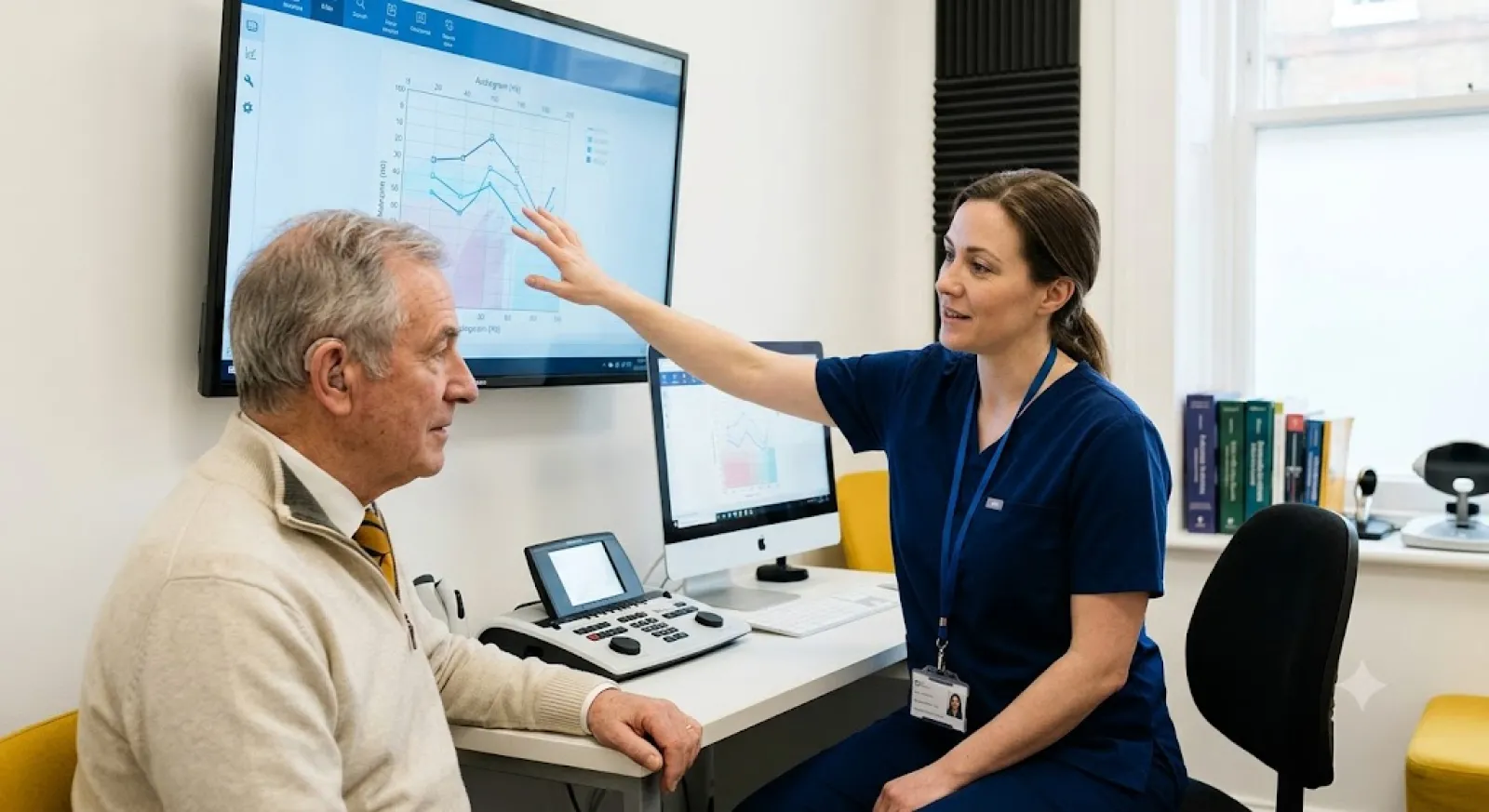
Hearing health plays a critical role in how we communicate, work, and interact with the world around us. Yet, many Australians delay seeking professional help for auditory issues due to uncertainty about who to see, what to expect, and what out-of-pocket expenses might be involved.
Whether you have noticed subtle changes in your ability to follow conversations in noisy environments, are seeking an assessment for a child, or require workplace testing, consulting a qualified audiologist in Australia is the first step toward comprehensive hearing care.
This guide breaks down the precise scope of work performed by an audiology service provider in Australia, details expected costs for hearing assessments across different age groups, explains government subsidies like Medicare and the Hearing Services Program (HSP), and provides clear guidance on finding trusted local care.
What Does an Audiologist Do?
An audiologist is a university-qualified Allied Health professional specializing in the prevention, assessment, diagnosis, and non-surgical treatment of hearing, balance, and related auditory system disorders. In Australia, practicing audiologists hold a postgraduate degree (Master of Audiology or higher) and maintain clinical certification through recognized professional bodies such as Audiology Australia (AudA) or the Australian College of Audiology (ACAud).
Unlike hearing instrument specialists or dispensers—who focus primarily on fitting and selling hearing devices—an audiologist conducts diagnostic testing to evaluate the full health of the auditory pathway.
Key Responsibilities of an Audiologist
-
Comprehensive Hearing Assessments: Conducting diagnostic pure-tone audiometry, speech recognition tests, and middle ear evaluations (tympanometry) for infants, children, adults, and seniors.
-
Tinnitus Diagnosis & Management: Evaluating persistent ringing, buzzing, or humming in the ears and developing tailored sound therapy or habituation management plans.
-
Central Auditory Processing Evaluation: Identifying Central Auditory Processing Disorder (CAPD) in children and adults who struggle to interpret auditory information despite having normal peripheral hearing.
-
Balance & Vestibular Testing: Diagnosing inner-ear conditions causing dizziness, vertigo, and balance problems (such as Meniere's disease or Benign Paroxysmal Positional Vertigo) in collaboration with Ear, Nose, and Throat (ENT) specialists.
-
Hearing Aid Fitting & Rehabilitation: Selecting, prescribing, programming, and fine-tuning hearing aids and assistive listening devices to match individual lifestyle requirements and degree of hearing loss.
-
Custom Ear Protection: Designing custom-moulded earplugs for musicians, industrial workers, swimmers, and sleeping aid.
-
Ear Wax Removal: Performing safe micro-suction or cerumen management when blockages obstruct testing or cause temporary hearing impairment.
How Much Does a Hearing Test Cost in Australia?
The cost of a hearing test in Australia varies based on patient age, whether the assessment is screening or comprehensive, clinical location, and eligibility for government funding schemes.
Typical Hearing Assessment Price Breakdown
| Type of Hearing Test | Average Price (AUD) | Eligibility & Rebate Options |
| Basic Screening Test | $0 – $50 | Often free at independent clinics or during community health events. |
| Adult Diagnostic Assessment | $60 – $250 | Subsidised by Medicare with a valid GP/ENT referral, or fully covered via HSP voucher. |
| Paediatric Assessment (>3 yrs) | $75 – $180 | Medicare rebates available under GP Management Plans or ENT referrals. |
| Auditory Processing Disorder (CAPD) | $250 – $550 | Specialist testing; partial private health or Medicare rebates may apply depending on referral. |
| Pre-Employment / Industrial Test | $80 – $300 | AS/NZS 1269 compliant; typically paid out-of-pocket or covered by the employer. |
| Tinnitus & Specialist Consultation | $250 – $390 | Comprehensive diagnostic reporting; partial Medicare/private coverage depending on clinic. |
Government Subsidies, Medicare & Private Insurance
Understanding the financial avenues available can significantly lower your out-of-pocket costs when booking a hearing assessment in Australia.
1. The Australian Government Hearing Services Program (HSP)
The Hearing Services Program (HSP) provides eligible Australians with fully subsidised comprehensive hearing assessments, annual reviews, and basic hearing aids at no out-of-pocket cost. You are eligible for an HSP voucher if you hold an active:
-
Pensioner Concession Card
-
Department of Veterans' Affairs (DVA) Gold Card or DVA White Card (specifying hearing loss)
-
Disability Support Pension
-
Active member status in the Australian Defence Force (ADF)
2. Medicare Rebates
Under updated Medical Benefits Schedule (MBS) rules, Australians not eligible for the HSP can still access Medicare rebates for diagnostic audiology services. To claim a rebate:
-
You must obtain a written referral from your General Practitioner (GP), Ear, Nose, and Throat (ENT) specialist, or neurologist prior to your appointment.
-
Rebates also apply if your GP includes audiology under a Chronic Disease Management Plan (formerly EPC plan).
-
Note: Medicare rebates strictly apply to diagnostic testing, not routine screenings or hearing aid purchases.
3. Private Health Insurance
Many private health insurance providers cover hearing tests and hearing aid fittings under Extras policies. Rebates vary widely depending on your tier of cover, typically offering $500 to $1,800 toward hearing aids once every 3 to 5 years, along with partial consultation coverage. Instant claiming is widely supported via HICAPS terminals at most clinics.
What Happens During a Professional Hearing Test?
If you have never attended an audiology consultation before, the process is straightforward, painless, and highly informative.
Consumer Checklist for Choosing a Hearing Clinic in Australia
When selecting an independent or corporate hearing provider, keep this practical checklist in mind:
-
[ ] Verify Certification: Ensure the clinician is a certified accredited audiologist with Audiology Australia (AudA) or ACAud.
-
[ ] Confirm Independent Status: Ask if the clinic is independently owned so recommendations remain unbiased by specific hearing aid manufacturers.
-
[ ] Check HSP Eligibility: If you hold a concession card, confirm the clinic is an accredited provider for the Australian Government Hearing Services Program.
-
[ ] Clarify Full Pricing: Confirm consultation, diagnostic, and reporting fees in writing before booking.
-
[ ] Ask About Trial Periods: If purchasing hearing aids, ensure the provider offers a risk-free 30-day trial period with transparent refund policies.
Find Local Health & Professional Services on AusLocaly
Navigating your health choices requires fast access to trusted, transparent local information. Whether you are looking for an independent clinician in Sydney, Melbourne, Brisbane, Perth, or regional Australia, connecting with local professionals shouldn't be complicated.
AusLocaly helps Australians search, research, and discover verified local businesses, healthcare specialists, and service providers tailored to their precise neighbourhood.
-
Explore comprehensive service directories across major AusLocaly categories.
-
Find accredited local professionals across capital cities including Sydney, Melbourne, and Brisbane.
-
Access practical guides and verified insights to make informed decisions for your health, home, and business.
Visit AusLocaly today to connect with trusted local service providers in your community.
Related Topics & Tags
Bailey has an interest in the trades that support Australian homes and commercial properties. He writes about electricians, plumbers, painters, carpenters and related specialists. His focus is on distinguishing one service category from another. He contributes practical information for readers preparing to contact a provider.