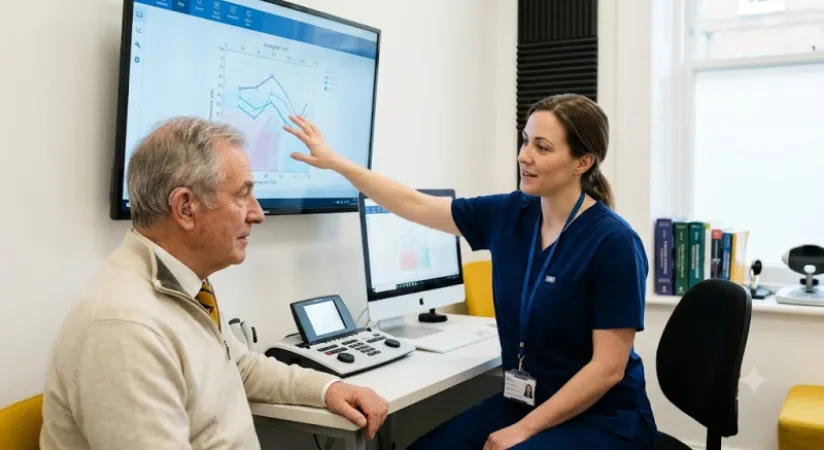
Telehealth vs In-Person GP Appointments - Which Is Better for Your Needs?
Compare telehealth vs in-person GP appointments in Australia. Learn about Medicare rebate rules, 12-month face-to-face requirements, costs, and clinical suitability.

Accessing primary healthcare in Australia has fundamentally changed over recent years. Virtual care—commonly referred to as telehealth—has transformed from an emergency pandemic measure into a permanent, core component of Australia’s healthcare infrastructure. However, while phone and video consultations offer unprecedented convenience for busy workers, families, and regional residents, they cannot replace every aspect of hands-on medicine.
Deciding between booking a telehealth appointment or visiting a local medical clinic for an in-person consultation depends on several critical factors. These include your specific medical symptoms, your eligibility for Medicare rebates, the 12-month established clinical relationship rule, and whether a physical examination is required for a safe diagnosis.
Understanding Telehealth and In-Person Care in Australia
Both telehealth and face-to-face consultations are delivered by registered health professionals governed by national standards set by the Medical Board of Australia and the Australian Health Practitioner Regulation Agency (AHPRA).
What Is Telehealth?
Telehealth refers to a medical consultation conducted over a telephone call or a secure video conferencing platform. It allows a doctor to assess symptoms, review pathology results, provide medical advice, update treatment plans, and issue electronic prescriptions (e-prescriptions) directly to your mobile phone or pharmacy.
What Is In-Person Care?
An in-person consultation takes place physically inside a general practice clinic, community health centre, or urgent care facility. It remains the gold standard for clinical care when physical palpation, auscultation (listening to heart/lungs), otoscopy (ear exams), wound care, or diagnostic procedures are necessary.
When to Choose Telehealth vs In-Person Appointments
Choosing the right appointment type ensures you receive safe, timely, and high-quality medical care.
Ideal Scenarios for Telehealth
-
Script Renewals: You are taking ongoing, stable medication (e.g., blood pressure medication or oral contraceptives) and require a repeat e-script.
-
Test Results: Reviewing routine blood test results or standard imaging reports with your regular doctor.
-
Specialist Referrals: Requesting an updated referral letter to a private Medical Specialist in Australia (such as a dermatologist, cardiologist, or endocrinologist) when your health condition is stable.
-
Medical Certificates: Requesting a short absence certificate for work or university due to a known, self-limiting condition like a mild cold or migraine.
-
Travel & Remote Access: Speaking with a doctor while travelling intra-state or living in regional locations like Dubbo, Mount Isa, or Kalgoorlie.
Mandatory Scenarios for In-Person Visits
-
Acute & Unexplained Pain: Sudden onset abdominal pain, chest tightness, severe headaches, or localized joint swelling.
-
Respiratory Illnesses: When a GP needs to listen to your lungs with a stethoscope to check for chest infections or asthma exacerbations.
-
Physical Procedures: Skin lesion excisions, pap smears, IUD insertions, vaccinations, or ear syringing.
-
Child Health Checks: Infants and young children requiring physical growth assessments or developmental milestone checks.
Emergency Warning: In any life-threatening situation—such as severe chest pain, sudden numbness, difficulty breathing, or heavy bleeding—do not use telehealth. Call 000 immediately for an ambulance.
The Medicare 12-Month Rule: Rebate Eligibility Explained
A vital rule introduced by the Australian Government for Medicare-funded GP telehealth is the 12-month established clinical relationship rule.
Why Does the 12-Month Rule Exist?
The Department of Health and Aged Care introduced this regulation to ensure telehealth supports continuity of care with a clinic that holds your comprehensive medical history, rather than facilitating fragmented, one-off digital consultations with unfamiliar providers.
Official Exemptions to the 12-Month Rule
You may claim a Medicare rebate for a telehealth appointment without a prior in-person visit if you meet specific exemption criteria:
-
Children Under 12 Months: Infants under one year of age.
-
Remote Communities: Patients living in declared Modified Monash Model (MMM) categories 6 or 7 (remote and very remote Australia).
-
Homelessness: Individuals experiencing homelessness.
-
Family Safety: Patients affected by family and domestic violence.
-
Sexual & Reproductive Health: Specific consultations regarding blood-borne viruses or sexual health services.
-
MyMedicare Registered: Patients formally enrolled in MyMedicare with the practice delivering the telehealth service.
If you do not meet these criteria and consult an online telehealth service where you have never been seen in person, you will typically pay a private out-of-pocket fee without receiving a Medicare rebate.
Comparing Costs: Telehealth vs In-Person GP Fees
Both telehealth and in-person consultations can be bulk-billed or privately billed, depending on clinic policies and your Medicare eligibility.
Typical Fee Structures in Australia
| Consultation Type | Billing Model | Typical Patient Cost (AUD) | Medicare Rebate Status |
| Bulk-Billed Telehealth | Medicare Direct | $0.00 | Covered 100% by Medicare (if eligible) |
| Private Telehealth (Existing Clinic) | Mixed Billing | $30.00 – $90.00 (Gap) | Partial rebate returned to patient |
| Direct Private Online Telehealth | Commercial Platform | $35.00 – $120.00+ | No Medicare rebate (unless exempt) |
| Bulk-Billed In-Person GP | Medicare Direct | $0.00 | Covered 100% by Medicare |
| Private In-Person GP | Mixed / Full Private | $40.00 – $110.00+ (Gap) | Standard MBS rebate returned to patient |
Consultation Length: Standard telehealth consultations generally last 10 to 15 minutes. If your issue requires an extended mental health plan or complex medical history review, extended consultation rates will apply.
Regional and City Considerations Across Australia
Access to GP services varies considerably between dense capital cities and regional communities.
Metropolitan Centers (Sydney, Melbourne, Brisbane, Perth)
In major urban centers like Sydney, Melbourne, Brisbane, and Perth, telehealth acts primarily as a time-saving convenience. It eliminates commuting through traffic, paying for inner-city parking, or sitting in crowded waiting rooms while unwell. However, inner-city patients have easy physical access to bulk-billing clinics or Medicare Urgent Care Clinics when hands-on examination is necessary.
Regional & Rural Australia
In regional towns across regional Victoria, regional New South Wales, the Northern Territory, or outback Queensland, telehealth serves as a vital healthcare lifeline. Where local GP clinics may have waiting lists stretching over several weeks, booking a video consult with a qualified Telehealth Doctor in Australia helps regional residents maintain continuity of care and obtain essential script renewals promptly.
Hidden Pitfalls and Common Telehealth Mistakes
While virtual consultations are convenient, patients should avoid several common mistakes:
-
Prescription Restrictions on Controlled Substances: Under Australian poisons legislation and TGA guidelines, doctors will generally not prescribe Schedule 8 controlled drugs (such as strong opioid analgesics or certain restricted stimulants) during one-off online telehealth consultations.
-
Poor Connectivity: Conducting a video consultation in an area with weak mobile signal or noisy background environments reduces consultation quality.
-
Assuming Automatic Rebates: Booking through random third-party apps without verifying the 12-month rule can result in unexpected private charges on your credit card.
How to Choose Between Telehealth and In-Person Care
When deciding which consultation format to book, follow these practical steps:
-
Assess Your Physical Symptoms: Ask yourself: "Does a doctor need to physically touch, listen to, or inspect a body part to understand my condition?" If yes, book an in-person visit.
-
Check Your Clinic History: Have you visited your local clinic in person within the last 12 months? If yes, you can freely use their telehealth services with Medicare rebate support.
-
Consult Your Regular Doctor First: Whenever possible, schedule telehealth appointments with a General Practitioner in Australia at your existing local practice to ensure your electronic health record (My Health Record) remains consolidated.
-
Compare Booking Policies: Verify whether your local medical centre charges an out-of-pocket gap fee for telehealth calls or if they bulk bill eligible concession card holders.
Practical Patient Checklist for Medical Appointments
-
[ ] Evaluate Symptom Severity: Confirm your condition is non-emergency and suitable for virtual care.
-
[ ] Verify 12-Month In-Person Visit: Ensure you have attended your chosen clinic face-to-face within the last year to secure Medicare rebates.
-
[ ] Have Medicare & Concession Cards Ready: Keep your card numbers updated in your practice profile.
-
[ ] Prepare Your Health Summary: Write down your current symptoms, questions, and current medication dosages prior to the call.
-
[ ] Ensure Good Technology Setup: Test your internet connection, phone signal, camera, and microphone in a private, quiet room.
-
[ ] Confirm Pharmacy Contact Info: Know your preferred local pharmacy’s name and email or mobile number so your e-script can be sent seamlessly.
Find Local Medical Services and Healthcare Information on AusLocaly
Finding the right healthcare provider, comparing medical services, and choosing local clinics in your area is simple with the right tools. AusLocaly connects Australian residents, families, and workers with verified local service categories, health directory resources, and community information across every state and territory.
Whether you need to find an accredited local general practice, allied health professionals, or medical services in Sydney, Melbourne, Brisbane, Perth, or Adelaide, AusLocaly provides organized business directories to help you make informed decisions.
-
Explore Healthcare & Community Categories: Discover medical practices, clinics, and health professionals at AusLocaly Categories.
-
Browse Major Australian City Hubs: Connect with localized medical directories and city guides via AusLocaly Sydney, AusLocaly Melbourne, and AusLocaly Brisbane.
To research local healthcare options, locate general practices, and access regional services, visit AusLocaly today.
Related Topics & Tags
Elliot's work centres on making business information clearer, more consistent and easier to navigate. He is particularly interested in service descriptions and category definitions. His editorial style removes unnecessary jargon while retaining useful detail. He contributes polished content for readers comparing local business options.