Need a Doctor After 6pm? How After-Hours GPs Work Across Australia
Find out how after-hours GP services work across Australia. Learn about home doctor visits, Urgent Care Clinics, Medicare rebates, and late-night costs.
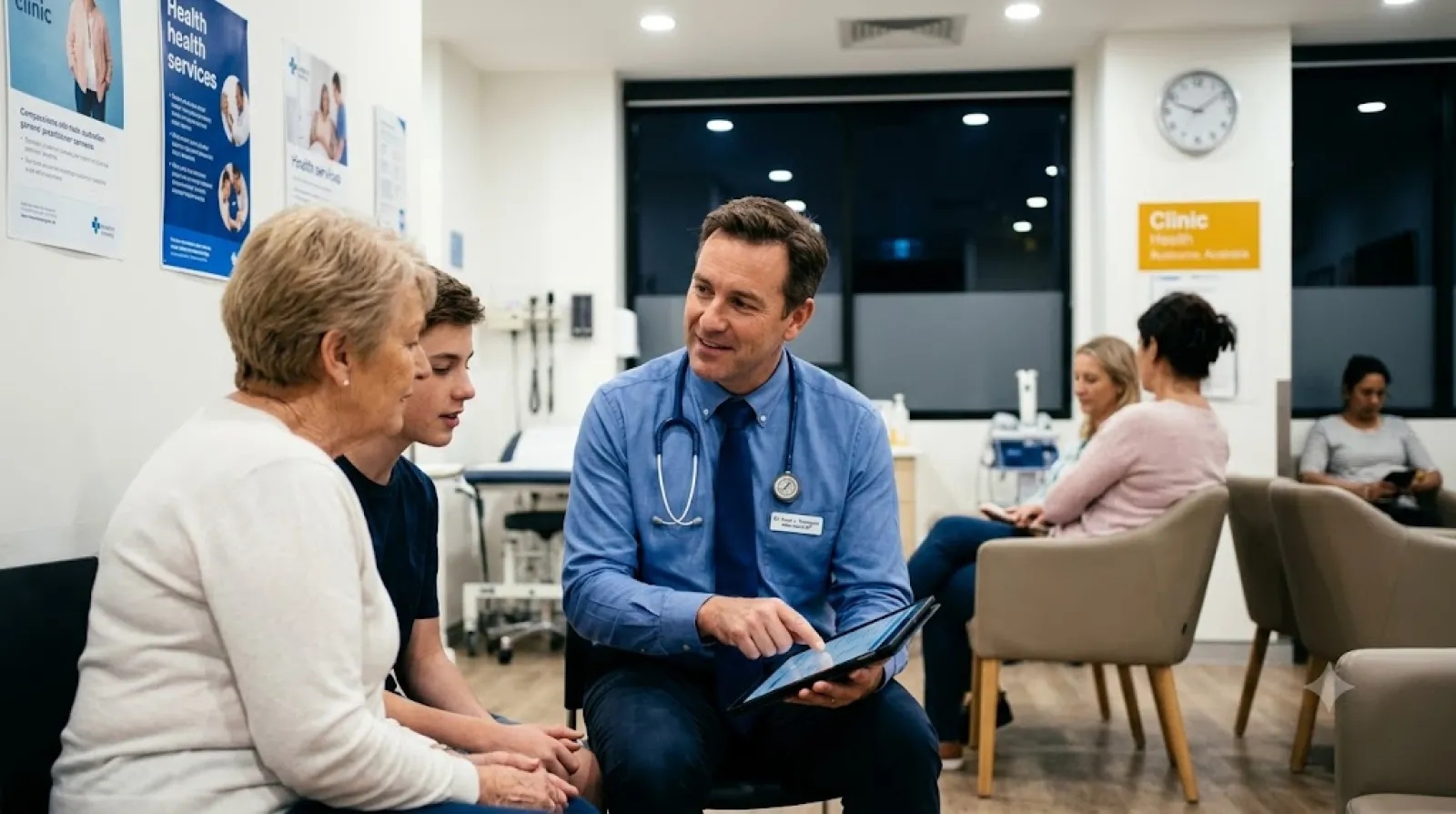
Medical issues rarely follow a standard 9-to-5 timetable. Whether it is a toddler developing a high fever at dinner time, an acute earache late on a Sunday afternoon, or a sudden migraine after finishing work, knowing how to access medical care outside regular business hours is essential for every household. Across capital cities like Sydney, Melbourne, and Brisbane, as well as regional centres throughout Australia, after-hours medical services provide vital care when regular family clinics are closed.
Navigating the healthcare system after 6pm can feel daunting, but Australians have access to a diverse ecosystem of after-hours care options. These range from bulk-billed home visit services and Medicare Urgent Care Clinics to late-night medical centres and 24/7 telehealth platforms. Understanding how these options operate, what they cost, and when to choose an after-hours General Practitioner over a hospital Emergency Department ensures you get fast, appropriate medical attention while relieving pressure on public emergency rooms.
Understanding After-Hours Primary Medical Care in Australia
In Australia, standard general practice hours generally run from 8:00am to 6:00pm on weekdays, with limited Saturday morning sessions. Any medical care provided outside these core hours falls into the "after-hours" framework.
When you need non-emergency care in the evening or overnight, consulting a qualified doctor in Australia through an after-hours pathway ensures your condition is treated promptly. An after-hours GP in Australia is a fully registered general practitioner in Australia who assesses non-life-threatening conditions, prescribes necessary medications, issues medical certificates, and forwards clinical notes to your regular family GP to maintain continuity of care.
The 5 Main Ways to See a GP After 6pm
Depending on your location, mobility, and the severity of your symptoms, you can access after-hours medical care through several distinct avenues.
1. Late-Night and 24-Hour Medical Clinics
Many large medical centres in urban centres like Perth, Adelaide, and Gold Coast operate extended trading hours, remaining open until 10:00pm, midnight, or 24/7. These clinics offer walk-in appointments or online bookings and have physical diagnostic facilities such as basic pathology and imaging on-site or nearby.
2. Deputised Medical Services (In-Home Doctor Visits)
National medical deputising services deploy doctors directly to patients' homes, residential aged care facilities, or hotels during after-hours periods.
-
Operating Hours: Typically available from 6:00pm on weekdays, from 12:00pm on Saturdays, and all day on Sundays and public holidays.
-
How It Works: Patients call a central triage line or book via an app. A doctor visits your home equipped to treat urgent, non-emergency conditions.
3. Medicare Urgent Care Clinics (UCCs)
Introduced as a national initiative funded by the Australian Government, Medicare Urgent Care Clinics are designed to treat urgent, non-life-threatening conditions that require immediate attention but do not warrant a visit to a hospital Emergency Department.
-
Services Provided: Treatment for minor fractures, sprains, lacerations requiring stitches, minor burns, infections, and insect bites.
-
Hours & Access: Open extended hours, 7 days a week, with no appointment required.
-
Cost: 100% bulk-billed under Medicare with no out-of-pocket costs for Medicare cardholders.
4. After-Hours Telehealth Services
Video and phone consultations allow you to speak with a practitioner from home at any time of night. Telehealth is particularly valuable for residents in regional or remote areas across New South Wales, Queensland, Victoria, and Western Australia where physical after-hours clinics may not operate.
-
Capabilities: Prescriptions (sent via eScript to your phone), medical certificates, specialist referrals, and triage advice.
5. Healthdirect Nurse Triage Line (1800 022 222)
Healthdirect is a free, government-funded 24/7 health advice line available across most Australian states and territories (in Victoria, the service operates as Victorian Virtual ED / NURSE-ON-CALL). Registered nurses assess your symptoms and advise whether you should see an after-hours GP, visit a pharmacy, head to an Urgent Care Clinic, or call an ambulance.
Comparing After-Hours Options
| Service Type | Typical Operating Hours | Best Suited For | Medicare Bulk-Billing Status |
| Late-Night Medical Centre | 6:00pm – 10:00pm / 12:00am | Sudden earaches, high fevers, script refills | Varies; many charge gap fees after 6pm |
| Home Doctor Service | Weekdays from 6pm; Weekends from 12pm | Frail elderly, parents with young sleeping children, mobility issues | Often bulk-billed for eligible Medicare holders |
| Medicare Urgent Care Clinic | Extended daytime & evening (7 days) | Sprains, minor cuts needing stitches, mild burns, skin infections | 100% Bulk-billed for all Medicare cardholders |
| After-Hours Telehealth | 24/7 availability | General advice, eScripts, medical certificates | Mix of bulk-billing and private fee-for-service |
| Hospital Emergency Dept | 24/7 availability | Severe chest pain, heavy bleeding, difficulty breathing, major trauma | Free in public hospitals for eligible residents |
Understanding Costs, Fees, and Medicare Rebates
The cost of seeing a doctor after 6pm depends on the billing policy of the clinic or service provider, as well as Medicare rebates for after-hours item numbers.
Fee Structure Overview (AUD)
Medicare Item Numbers and Higher Rebates
Medicare recognizes that providing medical care outside standard business hours incurs higher operational costs. Consequently, Medicare provides higher rebate amounts for "unsociable" after-hours consultations (such as home visits between 11:00pm and 7:00am or weekend consultations).
Private Fees and Gap Charges
-
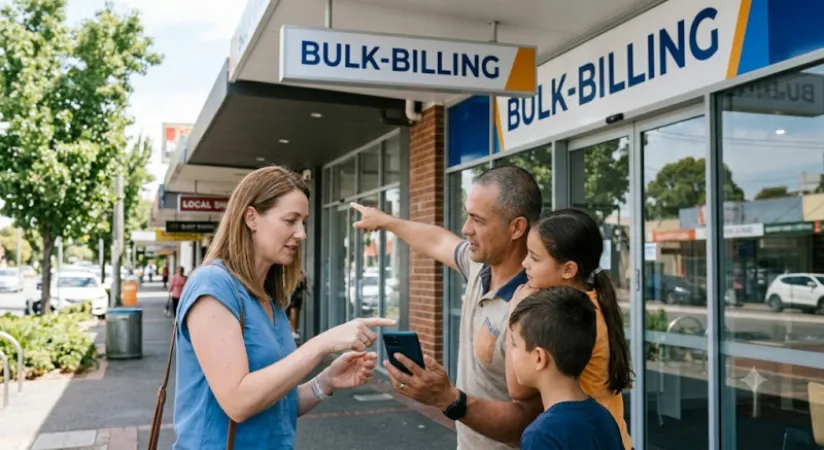
Bulk-Billed Services: Services like Medicare Urgent Care Clinics and certain deputised home doctor services bill Medicare directly, meaning eligible patients pay A$0 out-of-pocket.
-
Mixed-Billing Clinics: Many private medical centres charge an upfront after-hours consultation fee ranging from A$120 to A$220. After receiving the Medicare rebate (processed instantly via HICAPS or online), your net out-of-pocket gap fee generally sits between A$40 and $90.
-
Non-Medicare Holders: International students, overseas visitors, and temporary visa holders without Medicare access will be charged private rates, which can usually be claimed back through Overseas Student Health Cover (OSHC) or Overseas Visitors Health Cover (OVHC).
When to Use After-Hours Care vs Emergency Department (000)
Knowing whether your medical concern requires an after-hours GP or an Emergency Department is critical for personal safety and public health efficiency.
Call Triple Zero (000) or Go to the Emergency Department Immediately For:
-
Chest pain, pressure, or tightness
-
Difficulty breathing or severe asthma attacks
-
Unconsciousness, fainting, or sudden confusion
-
Severe head injuries or sudden loss of vision
-
Major fractures, deep wounds, or uncontrolled bleeding
-
Suspected stroke symptoms (facial weakness, arm weakness, slurred speech)
Book an After-Hours GP or Visit an Urgent Care Clinic For:
-
Mild to moderate sports injuries, sprains, and strain
-
Cuts requiring basic assessment or butterfly closures/stitches
-
High fever in children or adults responding to fluids and pain relief
-
Urinary tract infections (UTIs) requiring antibiotics
-
Unbearable earaches, sore throats, or sinus infections
-
Prescription refills when regular medication runs out unexpectedly
Consumer Checklist: What to Have Ready Before You Call
Preparing key information before contacting an after-hours medical provider speeds up triage and ensures accurate treatment:
-
[ ] Medicare Card & ID: Have your physical or digital Medicare card ready, along with a concession card if applicable.
-
[ ] List of Current Medications: Keep a clear list of any prescribed medications, vitamins, or supplements you take regularly.
-
[ ] Regular GP Details: Note the name and address of your regular medical clinic so clinical summaries can be forwarded seamlessly.
-
[ ] Symptom History: Be ready to state when symptoms started, how severe they are on a 1–10 scale, and what pain relief has been taken.
-
[ ] Payment Method: Check if the service requires an upfront private payment or bulk-bills before confirming your booking.
Practical Examples: Common After-Hours Scenarios
Scenario 1: A Toddler's Evening Fever in Suburban Melbourne
-
Situation: At 7:30pm on a Tuesday, a toddler develops a 38.5°C fever, remains alert, but is irritable and refusing dinner.
-
Best Action: The parents call Healthdirect (1800 022 222) for initial nurse advice, then book a home doctor visit or attend a local Medicare Urgent Care Clinic in Melbourne. The doctor assesses the child for a middle ear infection and prescribes appropriate antibiotics.
Scenario 2: A Minor Worksite Laceration in Regional Queensland
-
Situation: A tradie cuts his forearm on a piece of sheet metal at 6:15pm while finishing a job near Townsville. The cut is bleeding steadily but is not spurting or deep enough to affect tendon movement.
-
Best Action: Instead of waiting hours at the emergency department, he attends a nearby extended-hours medical centre or Urgent Care Clinic, where a practitioner cleans the wound, applies stitches, and provides a tetanus booster.
Regulations, Licensing, and Governance in Australia
All after-hours doctors practicing in Australia must adhere to strict regulatory standards overseen by national healthcare authorities:
-
AHPRA & Medical Board of Australia: Every practitioner must hold active registration with the Medical Board of Australia under AHPRA, ensuring strict adherence to clinical, ethical, and legal guidelines.
-
National Safety and Quality Health Service (NSQHS) Standards: Medical clinics and deputised services must comply with rigorous infection control, patient privacy (Privacy Act 1988), and clinical governance protocols.
-
National Association for Deputised Services (NADS): Accredited home doctor services follow strict operational standards regarding doctor response times, clinical equipment carried, and emergency escalation procedures.
Find Local Medical Clinics & After-Hours GP Services on AusLocaly
Finding accessible medical care outside standard business hours shouldn't be stressful. Whether you need an extended-hours general clinic, a home visiting service, or a specialized doctor in Australia, locating reliable healthcare options in your area is simple.
You can use AusLocaly to:
-
Discover local medical practices and healthcare providers across Australia.
-
Browse medical and health directory listings under AusLocaly Categories.
-
Search for essential community services in major Australian cities, including Sydney, Melbourne, and Brisbane.
-
Research clinic locations, contact numbers, after-hours operating schedules, and local service offerings.
Visit AusLocaly today to explore local healthcare listings, after-hours clinics, and essential medical services across your local area.