Why Your Electricity Bill Is So High and How Australians Cut It
High power bills in Australia? Discover the causes—from standing tariffs to phantom loads—and practical ways to reduce your quarterly electricity costs
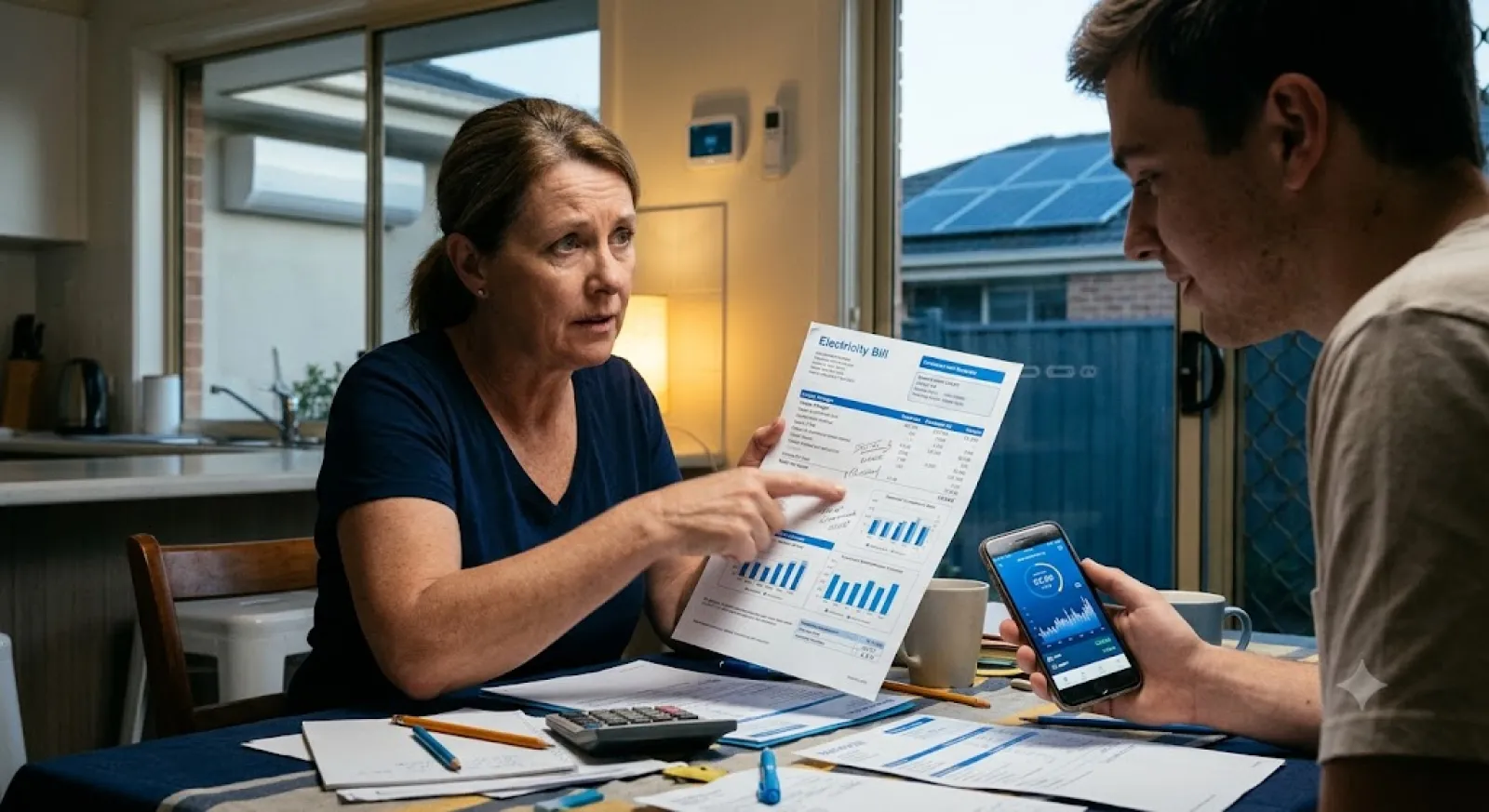
Opening a quarterly electricity bill often brings unwanted sticker shock for Australian households. Whether managing a family property in suburban Sydney, renting an apartment in Melbourne, or running an air-conditioned home in tropical Queensland, power costs remain a significant burden on domestic budgets.
Understanding why energy bills escalate requires looking beyond simple consumption habits. A combination of regulatory benchmark pricing (such as the Default Market Offer), peak wholesale market fluctuations, aging distribution infrastructure charges, inefficient appliance choices, and "vampire" standby power drains all contribute to higher electricity statements.
This comprehensive guide breaks down the core structural factors driving up Australian power bills, reveals hidden household energy drains, explains state-by-state regulatory protections, and provides actionable steps to lower your quarterly energy costs.
The Primary Drivers Behind High Australian Power Bills
Australian power bills are composed of two distinct operational charges: usage charges (cents per kilowatt-hour, or c/kWh) and daily supply charges (cents per day). Understanding how these figures compound helps pinpoint why your invoice might be unexpectedly high.
1. The "Loyalty Tax" (Standing Offers vs Market Offers)
If you have stayed with the same electricity retailer for years without updating your plan, you may be paying a standing offer rate. In states covered by the National Electricity Market (NEM)—New South Wales, South Australia, South-East Queensland, Victoria, and the ACT—retailers assign non-engaging customers to default tariffs capped by the government.
-
Default Market Offer (DMO): Set annually by the Australian Energy Regulator (AER) in NSW, SA, and SE QLD to act as a safety net price cap.
-
Victorian Default Offer (VDO): Regulated by the Essential Services Commission (ESC) in Victoria.
-
The Impact: Standing offers are consistently higher than competitive market offers. Households on standing contracts often pay hundreds of dollars more per year for identical grid power than neighbours on discounted market contracts.
2. Tariff Structure: Time-of-Use vs Single Rate
Modern smart meters allow retailers to charge variable rates based on the time of day:
-
Peak Period (Typically 3pm – 9pm weekdays): Electricity costs are at their highest rate per kWh, coinciding with high grid demand as people return home.
-
Off-Peak Period (Overnight / Early Morning): Rates drop significantly.
-
Shoulder Period: Intermediate pricing during late morning and early afternoon hours.
Running high-draw appliances—such as ducted air conditioning, clothes dryers, dishwashers, or pool pumps—during peak hours directly inflates quarterly bill totals.
3. Fixed Daily Supply Charges
Even if you go on holiday and consume zero electricity, you must still pay the fixed daily supply charge (typically ranging between $1.00 and $1.80 per day depending on distribution network zones). This charge covers poles, wires, meters, and grid infrastructure maintenance managed by distribution network service providers (e.g., Ausgrid, Endeavour Energy, AusNet, Energex, or SA Power Networks).
Hidden Household Energy Drains
Beyond tariff pricing, specific household appliances account for the vast majority of energy draw in a standard Australian residence.
| Household Appliance / System | Typical Operating Power | Common Usage Mistake | Practical Cost Fix |
| Reverse-Cycle Air Conditioner | 2.0 kW – 6.0 kW | Setting thermostat to 18°C in summer or 24°C in winter. | Set cooling to 24°C and heating to 20°C. Every degree difference adds ~10% to running costs. |
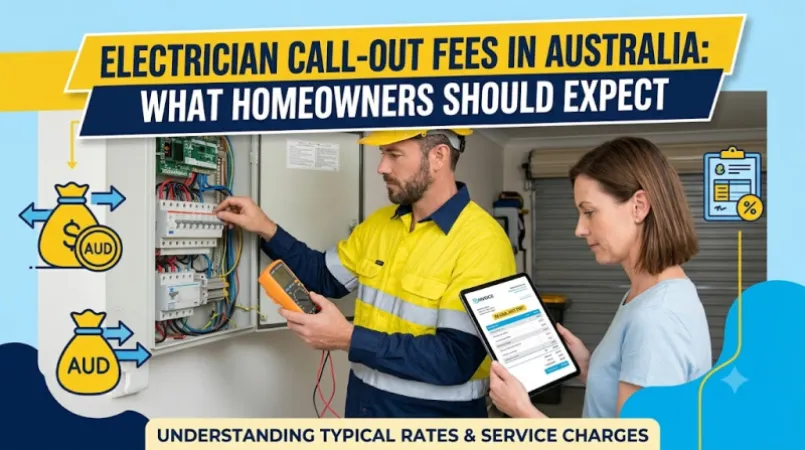
| Electric Hot Water Storage Tank | 3.6 kW | Heating water constantly on peak daytime tariffs. | Re-wire unit via a qualified Electrician in Australia to operate on a cheaper off-peak tariff or controlled load. |
| Old Second Refrigerator / Freezer | 0.3 kW – 0.8 kW | Running an uninsulated garage fridge in 35°C summer heat. | Consolidate food or dispose of secondary appliances through council recycling programs. |
| Standby Power ("Vampire Loads") | 0.05 kW continuous | Leaving gaming consoles, TVs, routers, and microwave clocks powered on 24/7. | Use smart power boards or switch off appliances at the wall when unused (saves up to 10% on power bills). |
| Un-timed Swimming Pool Pump | 1.0 kW – 1.5 kW | Running pump for 8+ hours during expensive afternoon peak hours. | Install an automated digital timer or switch to an energy-efficient variable-speed pump running off-peak. |
State-by-State Energy Regulations and Rebates
Energy markets and consumer protections differ substantially across Australian jurisdictions.
New South Wales, South Australia, and Queensland
-
Regulator: Australian Energy Regulator (AER).
-
Benchmark Tool: EnergyMadeEasy.gov.au (Free, government-run comparison service).
-
Concessions: Holders of Pensioner Concession Cards, Health Care Cards, or DVA Gold Cards can access state-specific energy rebates (e.g., NSW Low Income Household Rebate, QLD Electricity Rebate).
Victoria
-
Regulator: Essential Services Commission (ESC).
-
Benchmark Tool: Victorian Energy Compare (Victorian Government independent portal).
-
Payment Protections: Under Victoria's Payment Difficulty Framework, energy retailers are legally mandated to offer tailored payment plans and hardship assistance before taking disconnection action.
Western Australia and Northern Territory
-
Market Model: Non-competitive retail markets for most residential consumers.
-
Key Providers: Synergy (WA SWIS grid) and Jacana Energy (NT).
-
Pricing: Rates are determined directly by state/territory governments (e.g., WA Home Plan Tariff A1) rather than competitive market bidding.
Actionable Strategies: How Australians Are Cutting Power Bills
To achieve long-term reductions in power expenses, Australian homeowners and renters combine immediate behavioral adjustments with strategic equipment upgrades.
1. Actively Compare Market Offers Every 12 Months
Retailers frequently update their market discounts and reference price percentages.
-
Step 1: Grab your latest quarterly electricity bill.
-
Step 2: Locate the NMI (National Meter Identifier) number and your daily kWh consumption figures.
-
Step 3: Enter your details into official government comparison platforms (EnergyMadeEasy.gov.au or Victorian Energy Compare).
-
Step 4: Switch to the lowest-cost market plan with transparent daily supply and usage charges—avoiding plans with complex conditional pay-on-time discounts that penalise late payments.
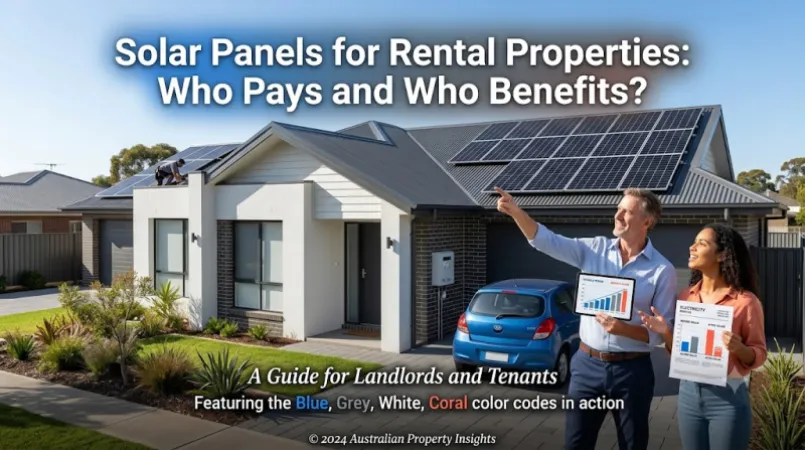
2. Transition to Rooftop Solar Photovoltaic (PV) Systems
Australia boasts one of the highest per-capita rooftop solar adoption rates globally.
-
Rooftop Solar Benefits: Generating your own electricity reduces grid import dependencies during peak daytime hours.
-
Small-scale Technology Certificates (STCs): Federal government incentives reduce the upfront cost of installing approved solar systems.
-
Feed-in Tariffs (FiT): Retailers pay you a rate per kWh for excess solar electricity exported back to the grid.
-
Professional Tip: Consult a licensed Solar Installer in Australia to design a system matched to your self-consumption patterns, ensuring correct inverter sizing and panel orientation.
3. Conduct an Energy Audit and Thermal Sealing
A significant portion of home energy loss occurs through poor insulation and drafty door/window frames.
-
Draught Proofing: Installing door snakes, gap sealants, and weather-stripping tape prevents conditioned air from escaping, reducing heater and air-conditioner workloads.
-
Insulation: Retrofitting ceiling insulation batts (R-Value 4.0+) can reduce home heating and cooling energy demands by up to 20–30%.
-
Professional Audit: Engaging a certified Energy Efficiency Consultant in Australia can highlight thermal bridges, duct losses, and inefficient appliance draws using thermal imaging equipment.
Practical Case Studies: Real-World Energy Reductions
Case Study A: The Suburban Family in Melbourne
-
Scenario: A family of four living in a 4-bedroom house experiencing winter electricity/gas bill spikes of $1,100 per quarter.
-
Actions Taken:
-
Replaced an aging standing offer plan via Victorian Energy Compare (saved $280/yr).
-
Adjusted reverse-cycle heating from 23°C to 20°C (saved ~15% on heating draw).
-
Installed a smart thermostat and sealed gap drafts along window frames.
-
-
Outcome: Quarterly bills reduced by over $320 during winter billing cycles.
Case Study B: The Renters in Brisbane
-
Scenario: Two young professionals renting an apartment in South-East Queensland facing high summer cooling costs.
-
Actions Taken:
-
Switched from a peak time-of-use schedule to a competitive flat-rate market offer using EnergyMadeEasy.gov.au.
-
Implemented smart plug timers to completely eliminate standby power on entertainment systems and desktop computers.
-
Utilised ceiling fans alongside air conditioning (allowing the AC thermostat to be set 2°C higher without losing comfort).
-
-
Outcome: Monthly electricity expenses decreased by approximately $45 per month.
Consumer Checklist: Lowering Your Quarterly Power Expenses
Follow this practical checklist to regain control over your household electricity usage:
-
[ ] Check Plan Type: Look at page 2 of your latest bill. Does it state you are on a "Standing Offer"? If so, switch to a "Market Offer" immediately.
-
[ ] Compare Official Portals: Use EnergyMadeEasy.gov.au (NSW, SA, QLD, ACT) or compare.energy.vic.gov.au (VIC) to audit your current rates against competitors.
-
[ ] Audit Thermostat Settings: Keep air conditioning set to 24°C in summer and 20°C in winter.
-
[ ] Check Concession Eligibility: Ensure any valid Pensioner, Health Care, or Veterans Affairs card discount is registered on your current utility account.
-
[ ] Eliminate Standby Power: Turn off gaming consoles, spare TVs, second fridges, and microwave screens at the wall when not required.
-
[ ] Optimise High-Draw Appliances: Run dishwashers and washing machines on eco-settings during off-peak hours or sunny solar hours.
-
[ ] Inspect Hardware: Hire a certified Electrician in Australia to test legacy hot water systems or install digital timers for pool pumps and heavy loads.
Find Local Electrical Services and Australian Information on AusLocaly
Managing household efficiency, upgrading home wiring, or transitioning to renewable energy solutions often requires professional trade assistance. AusLocaly provides a structured directory to help Australian homeowners, renters, and business operators connect with qualified trades and service specialists in their local community.
Whether you need licensed electricians, solar contractors, or building consultants in major capital cities like Sydney, Melbourne, or Brisbane, or require trade expertise across regional Australia, explore our comprehensive categories page to research trusted local service providers near you.
Related Topics & Tags
Sophie explores the relationship between local businesses and the people living around them. Her work covers neighbourhood retailers, hospitality venues and service providers. She is interested in the everyday reasons people choose local businesses. Her writing brings a community perspective to business discovery.