Solar Panels for Rental Properties: Who Pays and Who Benefits?
Explore how solar panels work on Australian rental properties. Learn who pays for installation, ATO depreciation tax rules, tenant bill savings, and rebates.
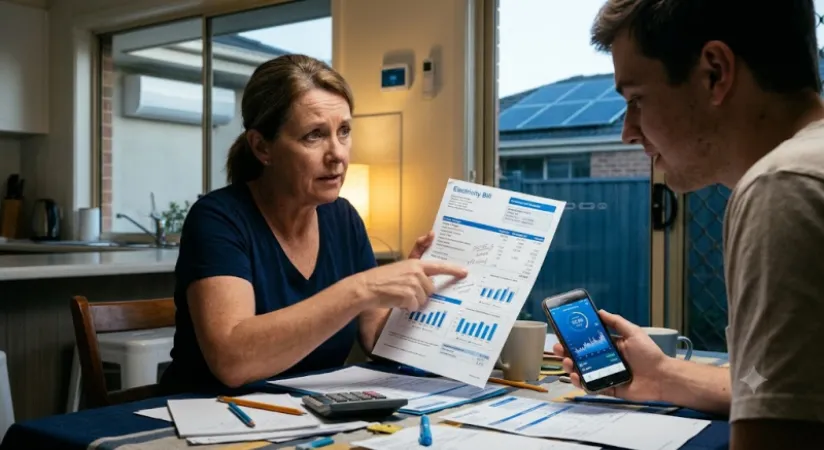
Installing solar panels on an Australian rental property presents a unique challenge known in the energy and property sector as the split incentive dilemma. The landlord covers the upfront capital expense, while the tenant directly reaps the financial rewards of lower daily electricity bills and feed-in tariff credits.
Despite this dynamic, green upgrades are increasingly practical for real estate investors. With rising energy prices in cities like Sydney, Melbourne, and Brisbane, tenants prioritize energy-efficient homes, allowing landlords to minimize vacancy periods, demand premium rents, and claim structural tax write-offs through the Australian Taxation Office (ATO).
This practical guide breaks down legal obligations, installation costs, federal and state rebates, tax depreciation schedules, and co-contribution models for landlords and tenants across Australia.
The Core Split Incentive: Landlord vs. Tenant Roles
To evaluate whether solar is right for your investment property, it helps to distinguish the primary financial responsibilities and advantages for both parties:
Who Pays for What? Cost Breakdowns and Financial Models
In Australian residential tenancies, the landlord is legally responsible for capital improvements and permanent fixtures, while tenants pay for electricity consumption.
Typical Upfront Costs for Rental Solar Systems
The price of a residential solar installation depends on system capacity, roof pitch, inverter technology, and regional grid connection fees.
Financial Co-Contribution Models
To bridge the gap between initial investment and ongoing tenant benefits, landlords and property managers utilize three main structures:
-
Rent Adjustment Model: The landlord funds 100% of the solar installation and increases weekly rent marginally (e.g., $10 to $20 extra per week). The tenant accepts this increase because their electricity bills drop by a larger margin (e.g., $25 to $40 per week), producing a net saving.
-
State Co-Contribution Schemes: Programs such as the Solar Victoria Solar for Rentals scheme allow landlords to access an upfront rebate (up to $1,400) alongside an interest-free loan. Landlords and tenants can agree in writing to split the monthly loan repayments (e.g., ~$14.58 per month each over four years).
-
Solar Power Purchase Agreements (PPAs) / Embedded Networks: More common in multi-unit developments, where a third-party provider installs the system and sells energy directly to tenants at a rate lower than standard grid tariffs.
ATO Tax Deductions and Depreciation Rules for Landlords
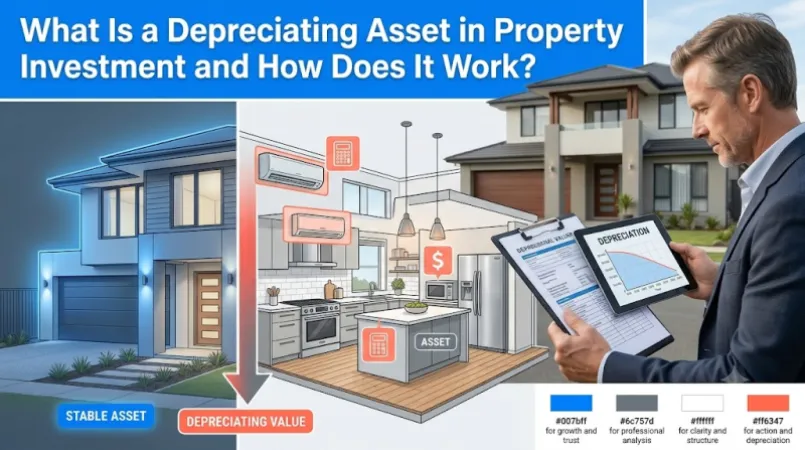
Landlords cannot claim the full cost of a solar panel system as an immediate income tax deduction in the year of purchase (unlike routine repairs). The Australian Taxation Office treats solar installations as a capital improvement, which must be written off over time using depreciation schedules.
Tax Note: Always consult a registered tax accountant in Australia or obtain a professional tax depreciation schedule before lodging your annual return to maximize your capital works and plant equipment deductions under current ATO guidelines.
Government Rebates and State-Based Programs
Australia’s Small-scale Renewable Energy Scheme (SRES) provides a national subsidy via Small-scale Technology Certificates (STCs). This rebate is applied at the point of sale by your installer, automatically discounting the upfront cost of panels across all states and territories.
State Specific Rental Incentives
-
Victoria (VIC): Solar Victoria offers dedicated rental rebates up to $1,400, plus matching interest-free loans for eligible rental providers. Rentals must meet minimum safety and property valuation thresholds.
-
New South Wales (NSW): Landlords can leverage broader energy-efficiency incentives under the Energy Savings Scheme (ESS) or state-backed battery installation discounts.
-
Queensland (QLD), Western Australia (WA), and South Australia (SA): Regional feed-in tariffs and local grid connection rules apply. Always check with your local Distribution Network Service Provider (DNSP) prior to installation.
Maintenance, Warranties, and Insurance Responsibilities
Once installed, ongoing system ownership costs sit with the landlord:
-
Maintenance & Repairs: Landlords are legally required to maintain solar hardware in safe working order under standard state residential tenancy acts. If an inverter faults, a qualified electrician in Australia or CEC-accredited solar installer in Australia must service or replace the component.
-
Panel Cleaning & Vegetation: Roof clearance and periodic panel cleaning form part of structural maintenance obligations managed by the property owner.
-
Insurance Coverage: Solar panels attached to the roof form part of the building. Landlords must update their Landlord Building Insurance Policy to ensure adequate sum-insured limits covering storm damage, hail, or electrical surge risks.
Checklist for Installing Solar on an Investment Property
Use this practical checklist before commissioning a solar array on your rental home:
-
[ ] Verify Landlord Insurance: Confirm your building insurance covers rooftop solar arrays against weather damage.
-
[ ] Check State Tenant Agreements: Ensure formal written consent is signed by existing tenants before installation commences.
-
[ ] Engage Certified Installers: Hire a Clean Energy Council (CEC) accredited installer or licensed trade professional.
-
[ ] Obtain Itemized Quotes: Confirm the quote separates hardware warranties (panels, inverter) from structural mounting labour.
-
[ ] Review Tax Impact: Consult your tax professional to update your property’s depreciation schedule post-installation.
Find Local Solar Installers and Property Services on AusLocaly
Upgrading investment properties with energy-efficient systems requires experienced local trades, accredited installers, and specialized financial advisors. AusLocaly helps property owners, tenants, and investors connect directly with trade specialists across Australia.
Explore localized service providers by searching the AusLocaly Categories directory. If you are managing residential properties in major capital centers, browse tailored service listings via AusLocaly Sydney, AusLocaly Melbourne, and AusLocaly Brisbane.
Visit AusLocaly today to research verified service providers, request quotes, and manage your property improvements with confidence.
Related Topics & Tags
Sophie explores the relationship between local businesses and the people living around them. Her work covers neighbourhood retailers, hospitality venues and service providers. She is interested in the everyday reasons people choose local businesses. Her writing brings a community perspective to business discovery.