Dementia Care at Home: Support Options for Australian Families
Explore in-home dementia care options in Australia. Learn about Support at Home funding levels ($11,795–$78,106), NDIS rules, respite care, and safety mods.

Caring for a loved one with dementia is one of the most emotional and physically demanding journeys a family can navigate. Dementia is not a single disease, but an umbrella term for conditions—including Alzheimer’s disease, vascular dementia, Lewy body dementia, and frontotemporal dementia—that affect memory, cognitive processing, communication, and behaviour.
For the vast majority of Australian families, the preferred goal is enabling the person living with dementia to remain safely at home in familiar surroundings for as long as possible. Achieving this requires structured clinical support, community services, home safety adaptations, and regular respite for primary carers.
This authoritative guide details the available in-home dementia support options across Australia, explains government funding pathways including the Support at Home program and the NDIS, breaks down 2026 costs and co-contributions, outlines state regulatory frameworks, and guides you on selecting the right local care team.
Understanding In-Home Dementia Care Options
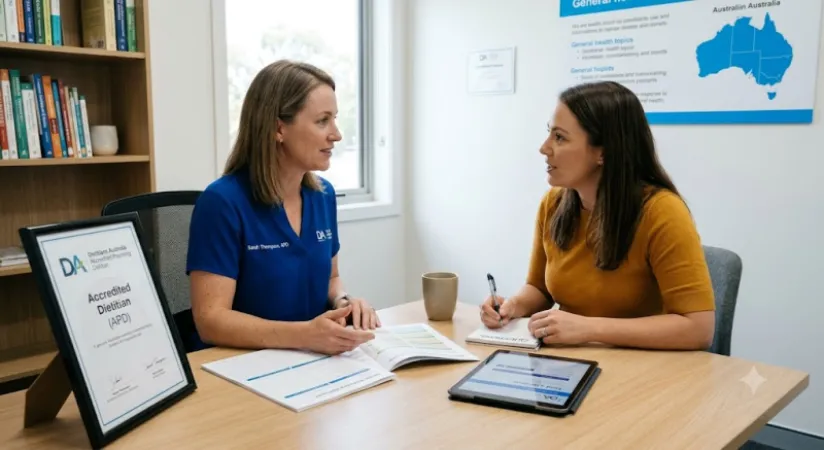
In-home dementia care involves bringing trained healthcare professionals and care workers into the individual's home to support daily living, maintain cognitive function, manage behavioural changes, and ensure physical safety.
Government Funding Pathways for Dementia Care
In Australia, in-home dementia care is primarily funded through two major federal frameworks, depending on the age of the person diagnosed:
1. My Aged Care: Support at Home Program (Aged 65+)
For Australians aged 65 and over (or 50+ for Aboriginal and Torres Strait Islander people), government-funded in-home care is delivered through the Support at Home program. Replacing the former Home Care Packages (HCP) system, Support at Home features eight distinct ongoing funding classifications.
-
Classification Levels 1–4 ($11,795 – $62,589/yr): Designed for low to medium care needs, offering domestic support, personal care, and social visits.
-
Classification Levels 5–8 ($65,544 – $78,106/yr): Tailored for high-level, complex care needs—such as moderate to advanced dementia—funding frequent daily visits, clinical nursing, allied health, and high-intensity support.
-
Assistive Technology & Home Modifications (AT-HM) Scheme: Provides dedicated upfront funding streams ($500, $2,000, or $15,000) for safety equipment like sensor pads, GPS trackers, and bathroom modifications separate from the ongoing care budget.
2. National Disability Insurance Scheme (NDIS) (Under Age 65)
If a person is diagnosed with Younger Onset Dementia (under age 65), they are eligible for lifetime support through the NDIS.
-
Funding is allocated based on functional impairment within Core Supports (Assistance with Daily Life) and Capacity Building (Increased Social and Community Participation).
-
NDIS plans can fund personal care workers, occupational therapy assessments, specialized behavior support plans, and short-term accommodation (STA) respite.
Typical Costs of In-Home Dementia Care in Australia
Understanding what you will pay for in-home care depends on whether your services are government-subsidised or privately funded.
2026 Support at Home Contribution Rules
Under the Support at Home framework, fees are structured according to three service categories:
| Service Category | What It Includes | Government Funding & Co-Contribution |
| Clinical Care | Nursing, occupational therapy, physiotherapy, speech pathology | 100% Fully Government-Funded (Zero out-of-pocket cost for all recipients). |
| Independence Supports | Personal care (showering/dressing), transport, respite care | Means-tested co-contribution (5% to 50%) based on income/assets. Note: Personal care becomes 100% fully funded from 1 October 2026. |
| Everyday Living | Cleaning, gardening, meal delivery, home maintenance | Means-tested co-contribution (17.5% to 80%). |
Private Out-of-Pocket Hourly Rates
If a family is waiting for a My Aged Care assessment outcome or requires extra hours beyond their allocated classification budget, private-pay care can be hired directly:
-
Standard Weekday Care Worker: $60 – $85 per hour.
-
Evening & Weekend Care Worker: $85 – $120 per hour.
-
Registered Nurse Visit: $110 – $165 per hour.
-
Overnight Active Care (10 hrs): $500 – $800 per night.
State & Territory Support Frameworks
While primary funding is federal, local support services, guardianship laws, and emergency response frameworks differ across Australian jurisdictions:
-
New South Wales (NSW): Memory clinics operating through NSW Health local health districts provide specialist geriatric assessments. Legal power of attorney is managed via the NSW Civil and Administrative Tribunal (NCAT) Guardianship Division.
-
Victoria (VIC): The Cognitive Dementia and Memory Service (CDAMS) offers state-wide multidisciplinary diagnostic and referral services. Guardianship orders are handled by the Victorian Civil and Administrative Tribunal (VCAT).
-
Queensland (QLD): Healthcare decisions for individuals lacking capacity are governed under the Guardianship and Administration Act 2000 (QLD) through QCAT.
-
Western Australia, South Australia, Tasmania, ACT, NT: Each state maintains specialized dementia advisory services and state public advocate boards to assist families when formal decision-making authority is required.
Real-World Case Studies: How Australian Families Manage Dementia at Home
Scenario A: Early to Moderate Alzheimer's Care
-
Family: Joan (78) and her husband Arthur (80), living in Melbourne, VIC.
-
Condition: Joan was diagnosed with moderate Alzheimer's and was beginning to wander out of the house in late afternoons ("sundowning").
-
Solution: An in-home carer in Australia was arranged through a Level 5 Support at Home classification. Joan receives 2 hours of personal care every morning and 3 hours of afternoon social support. The family also accessed $2,000 under the AT-HM scheme to install perimeter door sensors and a GPS wristband, allowing Joan to stay safely at home while easing Arthur's anxiety.
Scenario B: Younger Onset Dementia
-
Family: Mark (54), a father of two in Sydney, NSW.
-
Condition: Diagnosed with Frontotemporal Dementia, significantly impacting speech and executive function.
-
Solution: Because Mark was under 65 at diagnosis, his family accessed the NDIS. A dementia care specialist in Australia created a tailored capacity-building plan including speech therapy, 1-on-1 support worker hours for community access, and 14 days per year of NDIS Short-Term Accommodation respite for his wife.
Creating a Safe Home Environment for Dementia
Adapting the home layout is vital to reduce confusion, prevent falls, and minimize wandering risks. Watching practical demonstrations of environmental adaptations can help you set up rooms effectively.
Consumer Checklist for Selecting a Local Dementia Care Provider
Before signing a service agreement with a home care agency, use this practical evaluation checklist:
-
[ ] Verify Specialized Training: Confirm that care workers hold specific dementia care qualifications (e.g., Certificate IV in Ageing Support with dementia modules).
-
[ ] Check Provider Registration: Ensure the provider is registered with the Aged Care Quality and Safety Commission or the NDIS Quality and Safeguards Commission.
-
[ ] Review Continuity of Care: Ask whether the agency assigns a consistent team of 2–3 regular carers, rather than sending different staff members each week.
-
[ ] Confirm Fee Transparency: Verify that care management fees are capped (max 10% under Support at Home rules) and check all hourly rates for extra services.
-
[ ] Evaluate Emergency Response: Ask how the provider handles after-hours care emergencies, sudden carer illness, or acute behavioural changes.
Find Local Dementia Care Services on AusLocaly
Supporting a family member with dementia requires compassionate, expert local care tailored to your neighbourhood. Whether you live in Sydney, Melbourne, Brisbane, Perth, Adelaide, or regional communities across Australia, finding registered local care providers should be simple.
An aged care service provider in Australia can assist you in navigating My Aged Care assessments, structuring support plans, and delivering daily in-home care.
AusLocaly connects Australian families with verified local businesses, in-home care agencies, and health specialists in their area.
-
Explore accredited home care listings across major AusLocaly categories.
-
Search for registered local providers in capital cities including Sydney, Melbourne, and Brisbane.
-
Access localized information and practical guides to choose healthcare providers with complete confidence.
Visit AusLocaly today to connect with trusted dementia care providers in your local area.
Related Topics & Tags
Bailey has an interest in the trades that support Australian homes and commercial properties. He writes about electricians, plumbers, painters, carpenters and related specialists. His focus is on distinguishing one service category from another. He contributes practical information for readers preparing to contact a provider.