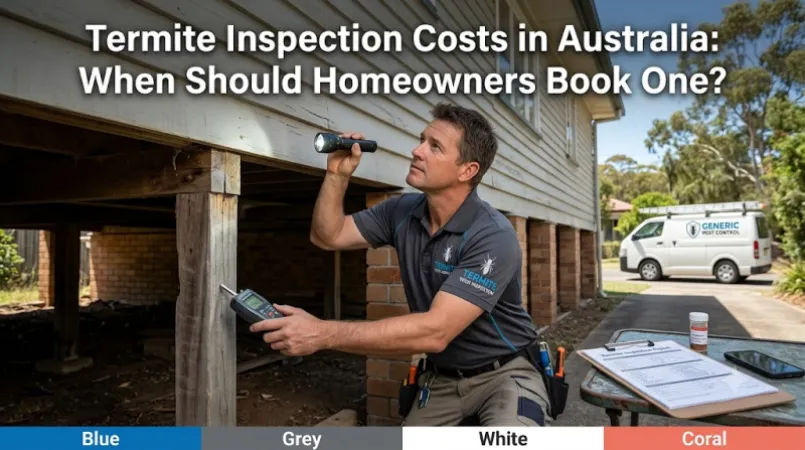
Building and Pest Inspection - What Inspectors Check and What They Miss
Buying property in Australia? Learn what a building and pest inspection covers, critical exclusions under AS 4349, state rules, costs, and common hidden issues.
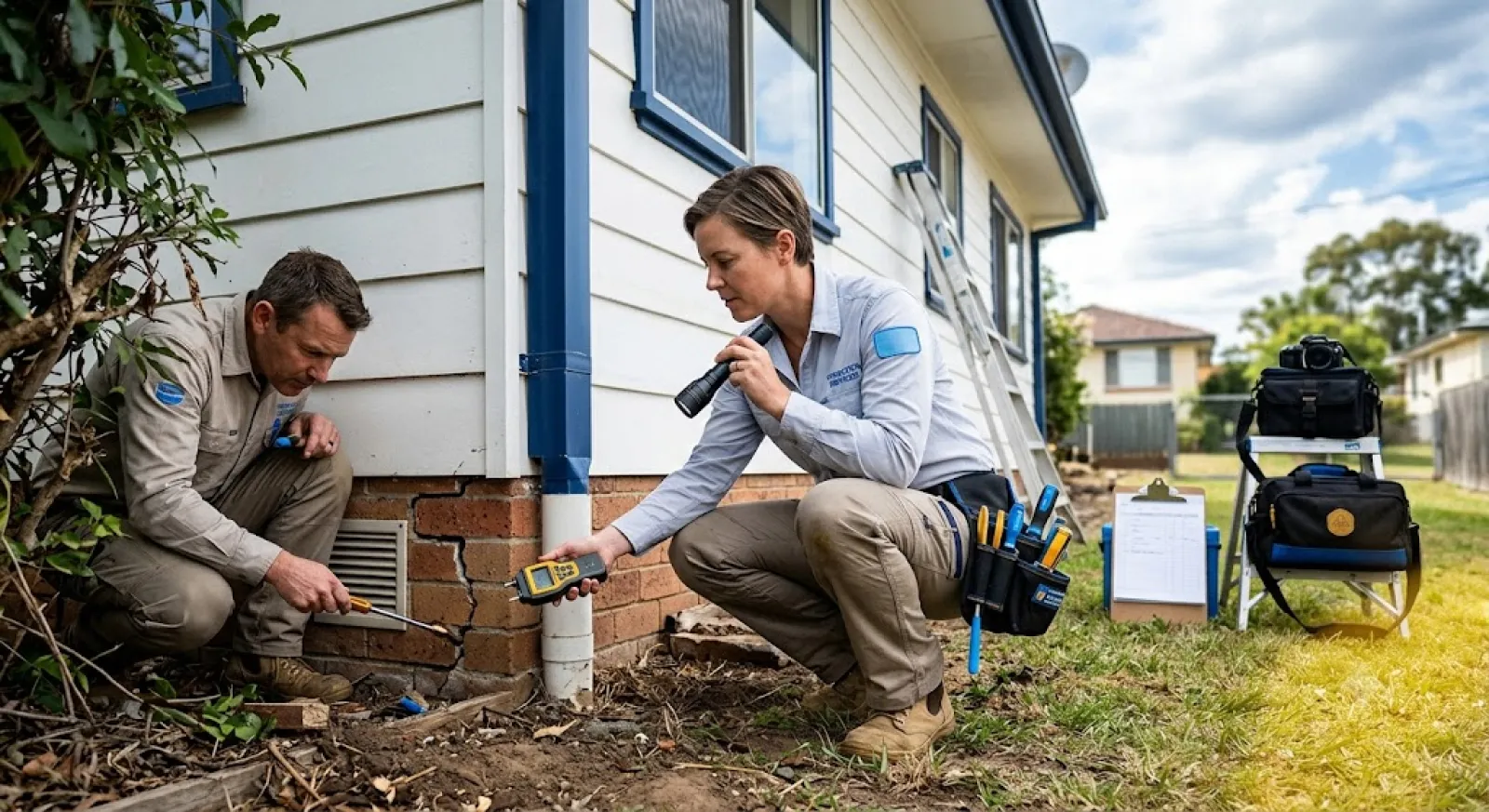
Signing a contract to purchase a home in Australia is both exciting and financially significant. Whether you are bidding under auction conditions in inner-city Melbourne or buying by private treaty in suburban Brisbane, a combined building and pest assessment is one of the most vital safeguards in your property purchase workflow.
However, many buyers hold unrealistic expectations about what a standard pre-purchase report covers. A Property Inspector in Australia operates under strict statutory standards, non-invasive observation principles, and defined physical boundaries. Understanding the precise scope of these inspections—including what inspectors scrutinise, what tools they deploy, and the inherent limitations that cause hidden defects to be missed—allows buyers to make informed decisions and negotiate effectively.
The Legal and Professional Standards Governing Inspections
In Australia, pre-purchase property assessments adhere to national frameworks established by Standards Australia:
-
AS 4349.1: Inspection of Buildings – Pre-Purchase Inspections – Residential Buildings.
-
AS 4349.3: Inspection of Buildings – Timber Pest Inspections.
These standards dictate that a standard pre-purchase inspection is a visual, non-invasive assessment of accessible areas carried out on the day of inspection. An inspector cannot cut into plasterboard, lift floorboards, move heavy furniture, or disassemble electrical panels.
State and Territory Regulatory Differences
Licensing regulations for inspectors vary significantly across Australian jurisdictions:
-
Queensland (QLD): Strictly regulated. Anyone conducting pre-purchase residential building inspections must hold a Completed Residential Building Inspection Licence issued by the Queensland Building and Construction Commission (QBCC), supported by a minimum of 5 years of relevant building experience.
-
New South Wales (NSW): Pest inspectors must hold a pesticide licence, while building inspectors are encouraged to hold a builder’s licence or professional membership (such as Master Builders Association or HIA), operating under general fair trading consumer laws.
-
Victoria (VIC) & Western Australia (WA): While commercial building registration exists, pre-purchase inspectors in VIC and WA are heavily governed by adherence to AS 4349.1 and professional indemnity insurance requirements rather than a single standalone pre-purchase inspection licence.
What a Building and Pest Inspection Cover (What They Check)
A qualified Building Inspector in Australia examines five primary physical zones during a standard site assessment, provided access is safe and unobstructed:
1. Structural Integrity & Foundation Stability
-
Settlement cracks in brickwork or concrete slabs (distinguishing between minor hairline drying cracks and structural movement >5mm).
-
Subfloor timber stumps, concrete piers, or brick piers for rotting, leaning, or subsidence.
-
Sagging roof trusses or compromised ceiling joists.
2. Moisture and Water Ingress
Using moisture meters and thermal imaging cameras, inspectors identify damp issues:
-
Waterproofing membrane failure in upper-floor bathrooms and shower recesses.
-
Rising damp in double-brick walls or subfloor structures caused by inadequate subfloor ventilation.
-
Roof leaks around roof valleys, flashings, skylights, and box gutters.
3. Active Timber Pests and Historical Damage
A certified Pest Inspector in Australia uses specialised equipment (sounding dongers, moisture meters, thermal imaging, and Termatrac radar devices) to locate:
-
Subterranean Termites: Active infestations of destructive species such as Coptotermes acinaciformis or Schedorhinotermes.
-
Timber Fungal Decay (Wet/Dry Rot): Softened framing timbers, deck posts, or window sub-frames caused by persistent moisture exposure.
-
Wood-Boring Beetles: Evidence of Anobium punctatum (furniture beetle) or Calymmaderus incisus in floorboards and joists.
-
Conducive Conditions: Direct timber-to-soil contact, weeping garden beds covering weep holes, and leaking air conditioner drain lines.
What Building and Pest Inspectors MISS (Scope Limitations & Exclusions)
Understanding what is excluded under Australian Standard contracts protects buyers from costly surprises.
1. Inaccessible or Covered Areas
Inspectors cannot inspect areas that are locked, blocked, or dangerous:
-
Manhole Access: If a roof manhole is located higher than 3.6 metres, blocked by a heavy wardrobe, or lacks 600mm x 600mm clearance, the roof cavity will be marked as "Uninspected".
-
Subfloor Clearance: Crawl spaces under 400mm height or obstructed by foil insulation cannot be accessed safely under occupational health and safety rules.
-
Stored Belongings & Rugs: In tenanted or owner-occupied homes, large rugs covering damaged timber floorboards, wall units against brick walls, or garage boxes stacked to the ceiling prevent visual checks.
2. Concealed Plumbing and Drainage Networks
Inspectors check if taps turn on and if drains empty during a brief test, but they do not:
-
Run CCTV drain cameras through underground sewer lines or stormwater pipes.
-
Test for slow leaks inside wall cavities that have not yet saturated the outer plasterboard.
-
Verify mains water pressure or gas line soundness.
3. Electrical Systems and Appliance Mechanics
While an inspector notes glaring safety hazards (such as un-capped live wires or missing safety switches), they are not licensed electricians:
-
Circuit breakers, solar inverter performance, and wiring compliance are not tested.
-
Air conditioners, dishwashers, swimming pool pumps, and security alarms are excluded from operational compliance testing.
4. Council Approvals and Illegal Structures
A building inspection report evaluates physical condition, not legal compliance:
-
An inspector may note a freshly built pergola, deck, or converted garage, but they cannot verify if local council permits, development approvals (DA), or certifier sign-offs were obtained.
-
Unapproved structural modifications remain a risk unless verified via a title/council search conducted by your conveyancer or solicitor.
Typical Inspection Costs Across Australia
The price of a combined pre-purchase building and pest inspection varies based on property size, age, architectural design, and geographical location.
Key Factors Influencing Cost
-
Property Size and Subfloor Type: A single-storey slab-on-ground home is faster to inspect than a two-storey elevated Queenslander with a large subfloor and roof void.
-
Thermal & Radar Equipment: Companies offering high-end thermal imaging and Termatrac radar scanning as standard inclusion may charge slightly higher base rates.
-
Turnaround Speed: Same-day or express reporting ahead of an upcoming auction may carry a small premium.
Practical Examples: Real-World Scenarios
Scenario 1: First-Home Buyer in Suburban Brisbane
-
Property: A 1970s timber-framed home on concrete stumps in Brisbane.
-
Inspection Findings: The building inspector identified low subfloor clearance and damp soil near the rear laundry drain. The pest report detected active termites inside a subfloor pier timber bearer.
-
Outcome: Armed with the report, the buyer renegotiated the purchase contract, securing a $15,000 price reduction to cover a chemical termite barrier installation and structural timber replacement.
Scenario 2: Investor Purchasing a Brick Unit in Melbourne
-
Property: A ground-floor 1990s brick unit in Melbourne.
-
Inspection Findings: The inspector used a moisture meter to detect elevated moisture levels behind the main bathroom tiles. However, because the tiles were intact, the visual report noted potential internal waterproofing failure.
-
Outcome: The buyer requested permission for an invasive check by a licensed plumber before unconditional exchange, avoiding a $12,000 bathroom renovation expense post-settlement.
Common Hidden Issues to Watch For
-
Fresh Paint Masking Water Stains: Sellers may paint over water-damaged ceilings or damp walls shortly before listing. Moisture meters help inspectors spot hidden dampness behind fresh paint.
-
Covered Weep Holes: Landscaping, paving, or garden beds installed above the damp-proof course (DPC) level block weep holes, giving subterranean termites concealed entry into timber frames.
-
Rusting Box Gutters and Roof Flashing: From ground level, a roof may appear sound, but internal box gutters can hold pooling water and rust through, causing internal ceiling collapses during heavy storms.
-
DIY Structural Alterations: Previous owners removing internal load-bearing walls to create "open plan living" without installing engineered steel RSJ lintels.
Consumer Checklist for Building and Pest Inspections
Follow this practical checklist when arranging your property assessment:
-
[ ] Verify Professional Qualifications: Confirm the inspector holds appropriate state licences (e.g., QBCC in Queensland) and current Professional Indemnity & Public Liability insurance.
-
[ ] Check Standards Compliance: Ensure the written agreement explicitly references compliance with AS 4349.1 and AS 4349.3.
-
[ ] Attend the Inspection if Allowed: Walking through the property with the inspector allows you to discuss minor maintenance versus major structural defects directly.
-
[ ] Request Thermal Imaging: Ask whether thermal imaging cameras and acoustic moisture meters are included in the base fee.
-
[ ] Review Limitations Sections: Read the "Access Limitations" page of your report carefully to see if roof voids, subfloors, or locked garages were missed.
-
[ ] Follow Up on Recommendations: If the inspector identifies electrical or plumbing red flags, arrange specialist trade inspections before the cooling-off period ends.
Find Local Building Inspectors, Pest Control and Property Experts on AusLocaly
Protecting your property investment requires clear, accurate insights from experienced local professionals. Whether you are purchasing your first home, expanding an investment portfolio, or scheduling routine termite management, working with qualified local building inspectors and pest specialists gives you total peace of mind.
AusLocaly simplifies your search by connecting property buyers and homeowners with trusted local service providers across Australia. Browse through our extensive categories directory or locate specialists servicing major metropolitan centres including Sydney, Melbourne, and Brisbane.
Ensure your next property purchase is backed by thorough expertise—find qualified inspection services and trade experts near you on AusLocaly today.
Related Topics & Tags
Brodie follows independent enterprises and the people who rely on their services. He enjoys exploring specialist businesses that may not receive much attention outside their local area. His writing focuses on business purpose, customer needs and service clarity. He contributes neutral articles for local discovery.