
Emergency Vet at 2am - What to Expect and How to Keep Bills Down
Heading to an after-hours emergency vet in Australia at 2am? Learn what happens during triage, typical costs, diagnostic fees, and how to keep bills down.
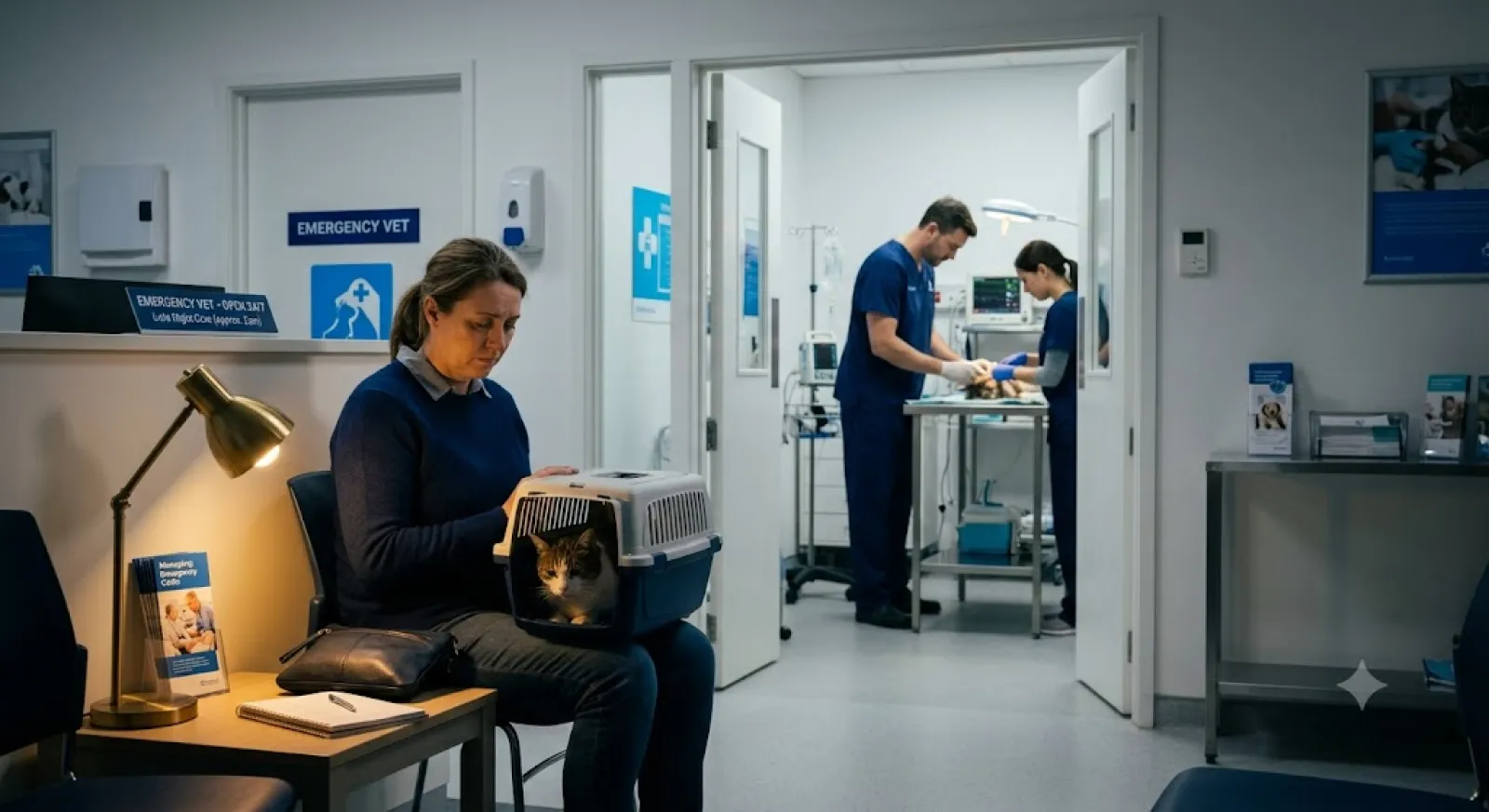
Waking up at 2:00 am to find your dog collapsed, your cat displaying acute distress, or a pet experiencing sudden vomiting is a distressing experience for any pet owner. Outside regular business hours, standard veterinary clinics across Australia are closed, leaving 24-hour emergency animal hospitals and dedicated after-hours veterinary facilities as the primary source of urgent clinical care.
While 24/7 emergency veterinary centers provide critical care around the clock, navigating an unexpected middle-of-the-night visit can be overwhelming—both emotionally and financially. Emergency consultation fees are significantly higher than daytime general practice fees, and advanced diagnostic tests or overnight stabilization can quickly escalate total expenses.
This practical guide details what happens during a 2:00 am emergency vet visit in Australia, outlines realistic fee structures across states like New South Wales, Victoria, Queensland, and Western Australia, explains state regulatory standards, and provides actionable steps to keep medical bills manageable while receiving quality care.
1. What Happens When You Arrive at an Emergency Vet at 2am?
Emergency veterinary hospitals operate on a triage system similar to human hospital emergency departments. Patients are treated based on clinical urgency rather than arrival time.
The Triage Process
Upon stepping through the doors, a veterinary nurse or triage technician immediately performs an initial visual and physical check. They evaluate vital signs, including respiratory rate, mucous membrane colour, heart rate, and level of consciousness.
-
Priority Red (Critical): Animals with airway blockages, severe bleeding, active seizures, acute collapse, or suspected bloat (GDV) are immediately taken to the ICU or treatment area for stabilization.
-
Priority Yellow (Urgent): Animals with open wounds, intense pain, continuous vomiting, or suspected fractures are placed in observation or prioritized for the next available vet.
-
Priority Green (Non-Urgent): Minor skin irritations, historic limping, or single episodes of mild diarrhea in stable animals are queued behind critical cases.
Initial Consultation and Informed Consent
Once the after-hours veterinarian in Australia examines your pet, they will discuss preliminary findings, form a diagnostic plan, and provide an itemized financial estimate before proceeding with non-emergency tests or treatments.
Under state regulatory codes—such as those enforced by the Veterinary Practitioners Board of NSW or the Veterinary Board of Victoria—veterinarians are required to obtain informed consent for medical procedures and provide clear estimates of anticipated costs wherever practical.
2. Typical Australian Emergency Vet Costs (2026 Price Ranges)
Emergency facilities maintain higher overheads due to staffing qualified veterinarians, vet nurses, overnight critical care teams, and running diagnostic imaging suite overnight. As a result, fees are structured differently from daytime general practices.
Consultation and Facility Fees
An after-hours or late-night consultation fee (typically applied between 10:00 pm and 6:00 am) covers the professional clinical examination by the veterinary surgeon in Australia.
-
Standard After-Hours Consultation Fee: Generally ranges from $200 to $450 across major metropolitan centers such as Sydney, Melbourne, Brisbane, and Perth.
-
Public Holiday Consultation Fee: On major public holidays (e.g., Christmas Day, Easter, Australia Day), late-night consultation rates can reach $260 to $500.
-
Triage Assessment Fee: Some clinics charge a separate triage assessment fee of $100 to $180 if the patient is assessed but does not require an immediate full doctor consultation.
Common Diagnostic and Treatment Costs
The initial consultation fee only covers the examination. Any required diagnostic testing, pain management, IV fluid therapy, or surgery adds to the total bill:
| Service / Diagnostic Test | Typical Cost Range (AUD) | Clinical Reason |
| Emergency Blood Panel (CBC/Biochemistry) | $180 – $380 | Checks organ function, electrolyte balance, and infection levels. |
| Digital X-Rays (2–3 views) | $300 – $550 | Identifies bone fractures, fluid build-up, or ingested foreign bodies. |
| Abdominal Ultrasound | $350 – $750 | Evaluates soft tissue organs, internal bleeding, or blockages. |
| Intravenous (IV) Fluid Therapy Set-up | $180 – $320 | Maintains hydration and blood pressure during trauma or shock. |
| Overnight Intensive Care Monitoring | $350 – $900 / night | Continuous vital sign monitoring, IV medication, and nursing care. |
| Emergency Abdominal Surgery (Foreign Body/Bloat) | $2,500 – $7,500+ | Life-saving surgical intervention under general anaesthesia. |
3. Practical Steps to Keep Emergency Vet Bills Down
Unexpected veterinary expenses at 2:00 am cause immense financial pressure. However, pet owners can take practical steps to manage costs without compromising the health or safety of their pets.
1. Call the Emergency Clinic Before Leaving Home
Always phone the emergency clinic while preparing to travel.
-
The triage nurse can assess whether your pet requires immediate late-night intervention or if it is safe to wait for a standard daytime appointment at 8:00 am.
-
You can confirm upfront consult fees, avoiding unexpected financial surprises upon arrival.
2. Request an Itemized Treatment Estimate
Veterinarians understand financial limits and can tailor medical plans accordingly. Request a clear, written estimate divided into two categories:
-
Immediate Critical Needs: Tests, pain relief, and interventions required right now to keep the animal comfortable and stable.
-
Secondary Diagnostics: Tests that are helpful for long-term diagnosis but can potentially wait until regular clinic hours.
3. Ask About Tiered Treatment Options
If a comprehensive diagnostic workup exceeds your budget, ask the vet: "What is the absolute minimum requirement to stabilize my pet safely tonight so we can revisit diagnostics with our primary vet in the morning?"
Clinicians can often administer pain relief, anti-nausea medication, or basic fluid support to keep your pet comfortable overnight at a fraction of the cost of full diagnostic imaging.
4. Transfer Stable Patients to Your Primary Vet in the Morning
Emergency facilities charge premium rates for ongoing daytime care compared to standard general practices. If your pet requires multi-day hospitalization, arrange to collect your pet at 7:30 am or 8:00 am and transfer them to your local general veterinarian in Australia once they are medically stable.
4. Payment Options and Financial Assistance in Australia
Emergency clinics generally require payment in full upon discharge or a 50% deposit upon patient admission for overnight hospital stays. When upfront funds are insufficient, several financing options exist in Australia:
-
Pet Insurance & GapOnly® Integration: Many Australian pet insurers integrate with systems like GapOnly®, allowing emergency centers to process insurance claims in real-time within 10 to 20 minutes. You only pay the remaining gap fee at the counter.
-
Specialised Veterinary Finance (VetPay): VetPay offers payment plans designed specifically for veterinary care in Australia. It allows pet owners to pay an initial deposit (typically 10% to 20%) and spread the remaining balance over flexible fortnightly installments, subject to credit approval.
-
Buy Now, Pay Later (BNPL) Services: Providers such as Zip Money, Afterpay, or Humm are accepted by many emergency hospitals across metropolitan centers like Adelaide, Gold Coast, and Canberra.
-
Animal Welfare Organizations: If you hold an eligible Pensioner Concession Card or Health Care Card, organizations such as the RSPCA or Animal Welfare League (AWL) operate community clinics or welfare assistance programs in select states.
Regional vs Metropolitan Emergency Vet Services
Access to 24/7 veterinary care varies depending on where you live in Australia:
-
Metropolitan Areas (Sydney, Melbourne, Brisbane, Perth): Dedicated 24-hour emergency hospitals operate continuously with full surgical and diagnostic teams present on site all night. Prices tend to be 20% to 40% higher due to higher facility costs and dedicated overnight staffing.
-
Regional and Rural Areas: Regional centers (such as Geelong, Bendigo, Toowoomba, or Wagga Wagga) often operate on an "on-call" roster system. Local clinics take turns having an on-call vet who travels to the clinic to meet you. An after-hours call-out fee ($250 to $500) usually applies on top of standard examination fees.
Consumer Checklist: Preparing for an After-Hours Vet Visit
Print or bookmark this checklist to handle late-night veterinary emergencies efficiently:
-
[ ] Call Ahead: Contact the emergency clinic before driving to confirm staff availability and get advice on safely transporting your pet.
-
[ ] Bring Key Information: Bring any current medications, toxin packaging (if poison is suspected), and medical history notes.
-
[ ] Secure the Pet: Use a sturdy pet carrier for cats or a tight leash/blanket stretcher for dogs to prevent injury during transport.
-
[ ] Confirm Consultation Fee: Ask what the after-hours consultation fee will be upon arrival.
-
[ ] Request Written Estimates: Get itemized quotes before agreeing to non-critical diagnostic tests or surgical procedures.
-
[ ] Inquire About Payment Plans: Ask if the clinic accepts GapOnly®, VetPay, or BNPL services if immediate funds are limited.
-
[ ] Plan Morning Transfer: Ask whether your pet can be transferred to your local general vet clinic in the morning to save on ongoing costs.
-
Emergency vet in Australia
-
Veterinary surgeon in Australia
-
After-hours veterinarian in Australia
Find Local Emergency Vets and Australian Information on AusLocaly
When medical emergencies occur outside normal business hours, finding reliable local services quickly is vital for your family and pets. Whether you need to locate an open 24/7 emergency clinic, find a local general veterinarian in Australia, or research specialized animal care services in Sydney, Melbourne, Brisbane, or regional areas, AusLocaly provides an accessible directory of local Australian businesses.
By exploring AusLocaly Categories, you can quickly find community services, pet care providers, and local health specialists tailored to your specific suburb or state. Browse trusted local listings, compare regional service providers, and access practical information designed to help Australian households navigate unexpected situations with confidence.