
Colorbond vs Timber vs Aluminium: Which Fence Lasts Longest in Australia
Compare Colorbond, timber, and aluminium fencing in Australia. Discover which material lasts longest, costs less, and handles harsh weather conditions.
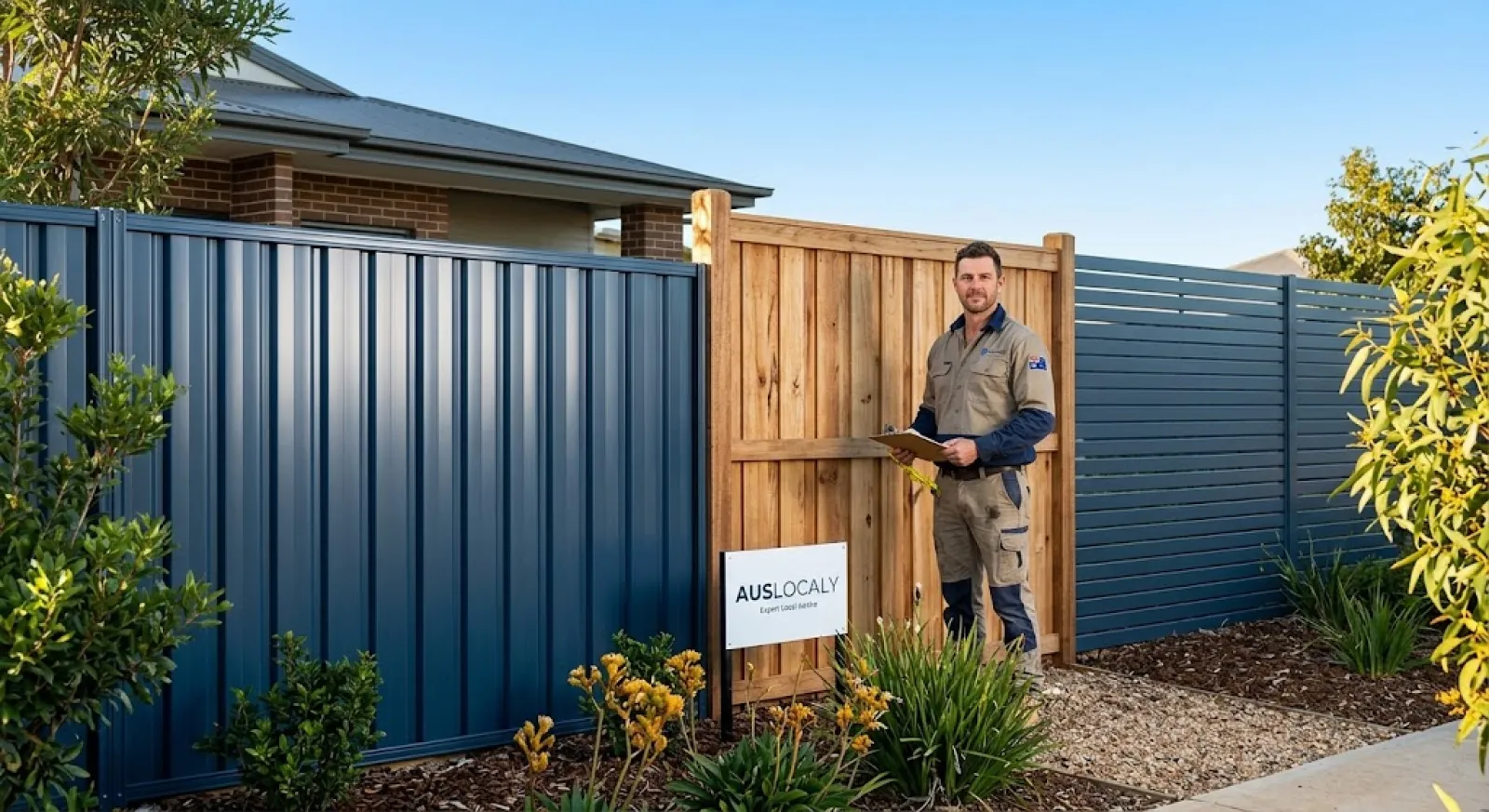
Choosing a boundary fence in Australia is significantly different from choosing one in cooler, milder climates overseas. Australian fencing must endure intense solar ultraviolet (UV) radiation, severe coastal salt spray, subterranean termite pressures, seasonal heavy rainfall, and the constant threat of bushfires. A material that performs well in a sheltered suburban street in Melbourne may deteriorate rapidly in a coastal suburb on the Sunshine Coast or a bushfire-prone zone in the Adelaide Hills.
When investing thousands of dollars in boundary walls, privacy screens, or garden enclosures, durability and total cost of ownership are primary considerations. The three most popular residential fencing materials across Australia are Colorbond steel, treated or hardwood timber, and powder-coated aluminium. Each material comes with distinct structural qualities, maintenance requirements, and environmental limitations.
To help property owners make an informed choice, this guide examines how Colorbond, timber, and aluminium stack up over a 10 to 30+ year lifespan. It covers practical performance across diverse Australian climates, local council regulations, state boundary laws, realistic installation costs, and key considerations for hiring professional fencing services providers in Australia.
At a Glance: Fencing Material Longevity Comparison
The table below outlines how Colorbond, timber, and aluminium perform across key Australian durability metrics, maintenance demands, and realistic lifespan expectations.
| Feature / Metric | Colorbond Steel Fencing | Timber Fencing (Treated Pine / Hardwood) | Powder-Coated Aluminium Fencing |
|
Average Lifespan |
20 to 30+ Years |
10–15 Years (Treated Pine) / 20–25+ Years (Hardwood Class 1) |
30+ Years |
|
Maintenance Level |
Low (Occasional wash with clean water) |
High (Oil, stain, or paint every 2–3 years; termite checks) |
Very Low (Occasional wash down) |
|
Coastal Salt Air Resistance |
High (Standard); Extremely High (Ultra Grade required within 1km of ocean) |
Moderate (Fasteners and brackets rust; timber can warp in high humidity) |
Outstanding (100% rustproof aluminium core) |
|
Termite & Pest Immunity |
100% Impervious |
Susceptible (Requires chemical treatment H3/H4 rating or termite-resistant species) |
100% Impervious |
|
Bushfire Resistance (BAL) |
Excellent (Non-combustible steel; compliant for high BAL zones) |
Poor to Moderate (Combustible; restricted in BAL-29 to BAL-FZ areas without special hardwood/treatments) |
Excellent (Non-combustible metal; suitable for high BAL zones) |
|
UV & Rot Resistance |
High (Will not rot; paint resists cracking/peeling) |
Moderate (Prone to rot if in ground contact; cracks and warps under heavy UV) |
High (Will not rot; high-grade powder coating resists UV degradation) |
|
Impact Resistance |
Moderate to High (Can dent under heavy force, but won't shatter) |
High (Sturdy against impacts; boards can be replaced individually) |
Moderate (Hollow extruded slats or tubular pickets can dent under high force) |
|
Average Installed Cost (per lineal metre) |
$100 – $180 |
$80 – $150 (Pine) / $180 – $350+ (Hardwood) |
$150 – $300+ (Slats / Panels) |
Colorbond Steel Fencing: The Aussie Suburban Standard
Manufactured by BlueScope Steel, Colorbond is an Australian household name engineered specifically for the country’s tough weather conditions. Made from a Zincalume metal substrate (zinc and aluminium alloy coating) topped with a baked-on paint finish, Colorbond offers exceptional structural integrity without the heavy weight of traditional masonry.
Lifespan Expectancy
Under normal Australian suburban conditions, a correctly installed Colorbond fence routinely lasts 20 to 30 years or more. BlueScope provides material warranties of up to 10 to 15 years for residential boundary fencing (subject to proximity to breaking surf and local installation conditions).
Durability Drivers & Strengths
-
Complete Pest and Termite Resistance: Unlike timber, steel offers zero food source or habitat for subterranean termites or wood-boring beetles.
-
Non-Combustible Fire Performance: Colorbond steel is non-combustible and recognized by Australian bushfire standards (AS 3959). It acts as a fire barrier during ember attacks or radiant heat exposure, making it popular in bushfire-prone regional areas and peri-urban fringes.
-
Structural Uniformity: Colorbond panels do not rot, splinter, warp, or twist when exposed to alternating dry spells and heavy downpours.
-
Privacy and Security: Overlapping vertical sheets leave no gaps, providing total visual privacy and preventing pets or stray animals from peering through.
Limitations & Failure Points
-
Coastal Salt Exposure: Standard Colorbond steel is suitable for locations beyond 1 km from breaking surf. In aggressive marine environments (within 1000m of open surf or severe industrial salt spray), salt accumulation can compromise raw cut edges or bottom rails over time. In these settings, Colorbond Ultra steel or marine-grade aluminium must be specified.
-
Direct Soil Contact Rot: A common installation mistake is burying the bottom steel rail directly into wet garden soil or mulch. Constant moisture contact prevents oxygen exposure, trapping trapped dirt and leading to localized crevice corrosion near ground level.
-
Scratching and Denting: Heavy impacts from lawnmowers, falling tree branches, or sports balls can dent thin steel sheets. Scratches through the protective primer to the core Zincalume layer should be touched up promptly with touch-up paint to maintain rust prevention.
Timber Fencing: Natural Aesthetics vs Ongoing Upkeep
Timber remains a classic choice across Australian homes, valued for its warm, natural texture, versatility, and adaptability to uneven or sloping land. However, timber's overall lifespan varies dramatically based on whether you select treated softwood (Pine) or hardwood species, as well as the level of preventative maintenance performed.
Lifespan Expectancy
-
Treated Softwood (Treated Pine):10 to 15 years. While chemical treatments like Copper Chrome Arsenate (CCA) or Alkaline Copper Quaternary (ACQ) protect pine against fungal decay and termites, pine remains a soft timber susceptible to warping, twisting, and weathering under Australian sun.
-
Class 1 Australian Hardwoods (Ironbark, Spotted Gum, Blackbutt, Jarrah):20 to 25+ years if properly sealed, elevated off ground moisture, and maintained regularly.
Durability Drivers & Strengths
-
Easily Repaired: If individual pickets or paling boards warp, crack, or rot, they can be removed and replaced individually without dismantling an entire panel run.
-
Customisable Height and Style: Timber can be cut to fit steep inclines, stepped across retaining walls, or crafted into custom horizontal slat designs, lap-and-cap styles, or traditional colonial pickets.
-
Thermal Comfort: Timber does not radiate heat to nearby garden plants in the same manner that dark-coloured metal panels can during 40°C summer heatwaves.
Limitations & Failure Points
-
Termite Vulnerability: Even treated timber can become vulnerable over time as chemical leaching occurs from heavy ground rainfall. In high termite risk zones (which encompass most of mainland Australia), timber fence posts set in earth require regular inspection.
-
UV Warping and Splitting: Unsealed timber loses moisture rapidly under intense Australian sunlight, causing boards to cup, split, twist, or pull away from frame fixings.
-
High Maintenance Requirement: To achieve maximum lifespan, timber requires pressure washing, sanding, and re-staining or painting every 2 to 3 years. Neglecting maintenance can halve a timber fence's useful service life.
-
Rot and Fungal Decay: Posts set in wet clay soil without adequate drainage aggregate will rot at the soil-to-air interface, where moisture, oxygen, and soil fungi interact.
Aluminium Fencing: The Corrosion-Proof Contender
Aluminium fencing—available as tubular pickets, horizontal privacy slats, or decorative sheet panels—has grown rapidly in popularity across Australian residential developments. Known for its lightweight strength and total immunity to rust, aluminium is particularly favored in coastal regions and as safety barriers around swimming pools.
Lifespan Expectancy
Aluminium fencing offers one of the longest service lives of any residential boundary material, lasting 30+ years with minimal care. The underlying metal does not oxidize or rust like ferrous iron or steel, meaning structural failure due to corrosion is exceptionally rare.
Durability Drivers & Strengths
-
100% Rust and Corrosion Proof: Aluminium naturally forms a protective oxide layer when exposed to air. Even if the outer powder coating is scratched, the exposed metal underneath will not rust or flake away. This makes it ideal for homes near ocean surf, saltwater swimming pools, or tidal waterways.
-
Low Upkeep: Unlike timber, aluminium never requires staining, painting, or pest treatments. A simple hose-down or wipe-down with mild detergent every six months removes dirt and salt deposits.
-
Pool Safety Compliance: Aluminium tubular and slat fencing forms the backbone of Australian pool security, complying with strict AS 1926.1 pool safety barrier standards when installed at correct heights and latching configurations.
-
Lightweight Structural Integrity: Heavy weather and wet soil put less load on concrete footings because aluminium panels are lightweight, reducing post settlement or tilting over time.
Limitations & Failure Points
-
Lower Impact Resistance: Extruded hollow aluminium slats and thin-walled tubular pickets are softer than heavy-gauge galvanised steel. Severe force—such as an impacting vehicle, falling heavy branch, or hard sports equipment—can bend or dent aluminium profiles, requiring panel replacement.
-
Initial Material Cost: High-quality powder-coated aluminium slat systems carry a higher upfront material cost than standard treated pine or basic steel panel fencing.
Environmental & Climate Factors across Australian Regions
Australia features diverse microclimates. Understanding how geographic and climatic variables impact materials helps narrow down the longest-lasting option for your property location.
Coastal Salt Air & Marine Environments
Salt spray accelerates corrosion on ferrous metals and hardware fixings.
-
Best Choice: Powder-coated aluminium.
-
Secondary Choice:Colorbond Ultra grade steel (specifically designed for coastal environments within 1000m of breaking surf). Standard Colorbond or ungalvanised steel fixings will suffer accelerated corrosion near the ocean.
-
Avoid or Caution: Softwood timber with standard mild steel fixings; stainless steel or hot-dip galvanised screws must be specified to prevent premature hardware failure.
Bushfire Attack Levels (BAL Ratings)
Under AS 3959 (Construction of buildings in bushfire-prone areas), boundary walls and fencing near structures must meet strict fire resistance standards to reduce ember ignition and radiant heat spread.
-
Best Choice: Colorbond steel or powder-coated aluminium. Both materials are non-combustible and do not provide fuel for spreading spot fires.
-
Caution: Timber fencing is restricted or requires specific dense timber species (e.g., Silvertop Ash, Spotted Gum, Red Ironbark) in BAL-12.5 through BAL-29 areas, and is generally avoided in high-risk BAL-40 or BAL-FZ (Flame Zone) boundaries.
Tropical High Humidity & Termite Hotspots
In regions such as Coastal Queensland, Northern Western Australia, and the Northern Territory, prolonged rain seasons combined with hot summers create prime conditions for fungal rot and subterranean termites (Coptotermes acinaciformis).
-
Best Choice: Powder-coated aluminium or Colorbond steel.
-
Caution: Treated pine can experience rapid chemical leaching in saturated soils, leaving timber posts vulnerable to internal decay within 7 to 10 years if footings lack proper water drainage.
Legal Requirements, Boundary Acts, and Australian Standards
Fencing installation in Australia involves more than picking a style at a hardware store. Boundary lines are governed by specific state and territory statutes, council local environmental plans (LEPs), and national safety standards.
Dividing Fences Acts
Every state and territory operates under legal frameworks governing shared boundary walls:
-
New South Wales:Dividing Fences Act 1991
-
Victoria:Fences Act 1968
-
Queensland:Neighbourhood Disputes (Dividing Fences and Trees) Act 2011
-
Western Australia:Dividing Fences Act 1961
-
South Australia:Fences Act 1975
Under these acts, adjoining neighbours are generally equally responsible for the cost of a "sufficient dividing fence." If one owner desires a higher-spec material (such as upgrading from standard timber to decorative aluminium slats), they are typically responsible for paying the cost difference unless agreed otherwise in a written Notice to Fence.
Council Height Limits & Planning Approvals
Most local municipal councils allow residential side and rear boundary fencing up to 1.8 metres in height without requiring formal planning permits. However, specific restrictions apply to:
-
Front Boundary Fences: Often restricted to 1.2 metres in height to preserve streetscape visibility and vehicle sightlines.
-
Corner Allotments: Tighter height restrictions apply near intersections to prevent blind spots for motorists.
-
Heritage Conservation Zones: Councils may restrict the use of modern sheet steel like Colorbond, requiring traditional timber pickets or wrought-iron styles.
Swimming Pool Barrier Standards (AS 1926.1)
Any fence serving as part of a safety barrier for an outdoor swimming pool or spa must strictly comply with AS 1926.1. Requirements include:
-
Minimum effective barrier height of 1200 mm from finished ground level on the outside.
-
Maximum gap under the fence of 100 mm.
-
Non-climbable zone (NCZ) of 900 mm on the outside of the barrier.
-
Self-closing and self-latching gate mechanisms that open outwards away from the pool area.
Working with experienced fencing contractors in Australia ensures that pool safety installations pass mandatory council or private certifier inspections.
Material & Installation Cost Breakdown (2026 AUD Estimates)
The overall lifetime value of a fence includes both upfront material and installation expenses plus ongoing maintenance costs over 20 years.
| Material Type | Material & Installation Cost per Lineal Metre (AUD) | Estimated 20-Year Maintenance Costs (AUD) | Total 20-Year Cost Profile |
|
Treated Pine Paling (1.8m) |
$80 – $150 / m |
$600 – $1,200 (Staining/painting every 3 years + timber repairs) |
Moderate initial cost; higher long-term maintenance outlay. |
|
Hardwood Paling / Slats |
$180 – $350+ / m |
$800 – $1,500 (Oiling/sealing every 2 years) |
High initial cost; high ongoing maintenance outlay. |
|
Colorbond Steel Panels |
$100 – $180 / m |
$50 – $150 (Occasional cleaning product/hosing) |
Moderate initial cost; very low ongoing maintenance outlay. |
|
Powder-Coated Aluminium Slats |
$150 – $300+ / m |
$50 – $100 (Occasional cleaning) |
Higher initial cost; minimal long-term maintenance outlay. |
What Factors Drive Up Installation Costs?
-
Soil & Ground Conditions: Clay, shale, underground roots, or solid rock require heavy augers or jackhammers to drill post footings, increasing labour charges.
-
Sloped Allotments: Stepping or racking panels across steep slopes requires custom panel cuts, extra concrete, and additional labour hours.
-
Old Fence Removal: Demo and disposal fees for existing timber or asbestos-cement fencing (commonly found in older Australian homes built prior to 1990) require specialized removal procedures and landfill tipping fees.
Practical Scenarios: Choosing the Right Fence for Your Property
Scenario A: Coastal Property on the Gold Coast or Sydney's Northern Beaches
-
Challenge: High salt air, oceanic humidity, sand-dominant soil, frequent pool proximity.
-
Ideal Solution:Powder-coated aluminium fencing.
-
Why: Aluminium will not rust, warp, or suffer coating degradation in harsh saltwater environments. If Colorbond is preferred for privacy, select Colorbond Ultra steel to avoid salt-edge corrosion.
Scenario B: Regional Property in a Bushfire-Prone Area (Blue Mountains / Adelaide Hills)
-
Challenge: High radiant heat threat, potential ember attacks, high termite activity.
-
Ideal Solution:Standard Colorbond Steel Fencing.
-
Why: Steel provides a solid, non-combustible barrier that helps deflect radiant heat and embers without burning or catching fire. It is completely immune to subterranean termites.
Scenario C: Suburban Rental Investment Property in Melbourne or Brisbane
-
Challenge: Need for maximum privacy, long durability, minimal maintenance, resistance to tenant neglect.
-
Ideal Solution:Colorbond Steel or Heavy-Duty Aluminium.
-
Why: Rental properties benefit from "set and forget" materials. Timber fences on rental properties often rot or deteriorate prematurely because tenants rarely oil or stain them. Colorbond requires no ongoing landlord maintenance beyond an occasional rinse down.
Common Installation Pitfalls That Reduce Fence Lifespan
Even high-grade fencing materials will fail early if poorly installed. Avoid these common mistakes:
-
Inadequate Footing Depth: Post footings in Australian soils should generally extend at least 600 mm into firm ground (or 1/3 of the total post length). Shallow footings cause fences to lean or collapse during severe winter storms or high wind events.
-
Buried Bottom Steel Rails: Setting Colorbond bottom rails directly into moist soil traps water and organic debris, bypassing the protective zinc-coating and leading to ground-level rust. Ensure a minimum 50 mm gap above soil or install a concrete sleeper gravel guard underneath.
-
Unsealed Timber Cut Ends: When treated pine posts or rails are cut to size on site, the exposed internal timber loses its chemical envelope protection. Installers must apply brush-on timber preservative to all cut ends before assembly.
-
Galvanic Corrosion from Dissimilar Fasteners: Using standard steel screws on aluminium panels—or brass fittings on galvanised steel—causes rapid electrochemical corrosion when exposed to moisture. Always use compatible stainless steel or color-matched coated screws recommended by the material manufacturer.
Consumer Checklist for Selecting Fencing Services
Use this checklist when requesting quotes and evaluating contractors for your fencing project:
-
Licensing & Accreditation: Does the contractor hold a valid trade licence in your state (e.g., NSW Fair Trading, QBCC licence in Queensland, or Victorian Building Authority registration where required)?
-
Public Liability Insurance: Has the installer provided proof of current public liability insurance (typically $10M–$20M coverage) to protect against property damage?
-
Written Boundary Notice: Have you issued a formal Notice to Fence or written agreement to your adjoining neighbour before commencing work?
-
Detailed Written Quote: Does the quote clearly itemize material specifications (e.g., genuine BlueScope Colorbond vs imported steel, timber grade H3/H4, powder-coating standard), post footing depths, total meterage, gates, and old fence removal fees?
-
Underground Utility Check: Has the contractor arranged a Before You Dig Australia (BYDA) search to locate underground electricity, gas, optic fibre, and water pipes before augering post holes?
-
Warranties: What written warranties cover both the raw materials (manufacturer warranty) and the installation workmanship (contractor structural warranty)?
Find Local Fencing Services and Australian Information on AusLocaly
Choosing between Colorbond, timber, and aluminium ultimately depends on balancing your local environment, maintenance preferences, boundary regulations, and project budget. While aluminium offers maximum rust protection and timber delivers a classic natural look, Colorbond steel remains a popular high-durability option across Australian suburbs.
When you are ready to obtain quotes or consult experienced tradespeople, finding qualified professionals is straightforward.
AusLocaly connects homeowners, property managers, and businesses with verified local service providers across Australia. Whether you require structural advice, boundary line construction, gate automation, or post replacements, you can explore specialized trade categories and local resources tailored to your specific city or region:
-
Browse Fencing Categories: Find reliable trades through AusLocaly Categories to compare regional service specialists.
-
Sydney Metro & Coastal Regions: Locate local installation teams via AusLocalySydney Services.
-
Melbourne & Victorian Suburbs: Research experienced contractors in your area on AusLocaly Melbourne Services.
-
Brisbane & Queensland Coastal Areas: Discover local trade experts on AusLocalyBrisbane Services.
-
Perth & Western Australia: Access local property and trade services via AusLocaly Perth Services.
Visit AusLocaly to research local service categories, explore regional provider directory listings, and make informed choices for your next home improvement or boundary fencing project.